

Understanding the Risks: What You Need to Know Before Tummy Tuck Surgery
Abdominoplasty risks and complications are a crucial consideration for anyone thinking about tummy tuck surgery. While this popular procedure can deliver excellent results, understanding the potential risks helps you make an informed decision.
Common risks include seroma (fluid buildup), hematoma (blood collection), infection, scarring issues, and numbness. More serious, though less common, complications include blood clots (DVT/PE), skin necrosis (tissue death), and other major issues requiring hospital care. Research shows that major complications occur in four percent of patients undergoing abdominoplasty, a rate that can increase to 10.4% when combined with other surgeries.
The decision to have plastic surgery is extremely personal. As one leading medical source notes: “You’ll have to decide if the benefits will achieve your goals and if the risks and potential complications of tummy tuck surgery are acceptable.”
Understanding these risks empowers you to work with your surgeon to minimize complications and achieve the safest possible outcome.

Understanding the Full Spectrum of Abdominoplasty Risks and Complications
Like any surgery, abdominoplasty comes with potential abdominoplasty risks and complications. Understanding these, from common issues to rare but serious ones, is key to a safe outcome.
Common Post-Surgical Issues
After your tummy tuck, some post-surgical issues are expected as part of the healing process.
- Pain, Swelling, and Bruising: Discomfort, tightness, and swelling in the abdomen are normal. Pain medication will help, and swelling and bruising will gradually subside over several weeks.
- Numbness and Skin Sensation Changes: Many patients experience temporary numbness below the belly button as tiny nerves are cut. While sensation often returns over months, some permanent numbness is possible.
- Fluid Accumulation (Seroma): This is the most common complication, affecting 10-20% of patients. A seroma is a collection of fluid under the skin that may need to be drained by your surgeon. Drainage tubes and compression garments are used to minimize this risk.
- Blood Collection (Hematoma): Occurring in about 2% of cases, a hematoma is a collection of blood under the skin. A large hematoma might require a return to the operating room for drainage.
For a deeper dive into how different types of abdominoplasties affect outcomes, a recent analysis of over 55,000 patients provides valuable statistical insights: https://pmc.ncbi.nlm.nih.gov/articles/PMC11683586/
Specific Risks: Scarring and Infection
Beyond general issues, certain risks can impact your recovery and aesthetic outcome.
- Scarring: Scars are an inevitable part of abdominoplasty. Surgeons place incisions below the bikini line to make them discreet. However, some individuals may develop unfavorable scars, such as wider scars or raised keloid and hypertrophic scars. We provide guidance on scar care to help them mature favorably.
- Infection: Surgical site infections occur in about 1-4% of procedures. We use sterile techniques and prophylactic antibiotics to minimize this risk. Most infections are minor and treatable with antibiotics, but you should watch for symptoms like increased redness, swelling, pain, or pus.
Potential Major Complications
While less common, it’s important to be aware of more serious abdominoplasty risks and complications.

- Blood Clots (DVT & PE): A Deep Vein Thrombosis (DVT) is a blood clot in a deep vein, usually the leg. If it travels to the lungs, it becomes a life-threatening Pulmonary Embolism (PE). The risk is low (0.3-1.1%), and we minimize it with early walking, compression devices, and sometimes blood thinners.
- Skin or Fat Necrosis (Tissue Loss): Occurring in 3-4% of cases, necrosis is the death of skin or fat tissue due to insufficient blood supply. Smoking is a major risk factor. Small areas may heal on their own, but larger areas might require further treatment.
- Anesthesia and Lung-Related Risks: All general anesthesia carries risks, such as adverse reactions or respiratory problems. Our board-certified anesthesiologists monitor you closely. Post-operative deep breathing and walking are crucial to prevent lung issues like pneumonia.
Overall, major complications requiring intervention occur in four percent of patients undergoing abdominoplasty alone.
Aesthetic and Long-Term Risks
Managing expectations about the final appearance is also vital.
- Asymmetry and Contour Irregularities: Slight differences from side to side or uneven areas can occur due to individual healing patterns.
- Unsatisfactory Results or “Dog Ears”: Sometimes, the final appearance may not meet expectations, or small bulges of tissue called “dog ears” may form at the ends of the incision. These issues can often be corrected with a minor revision surgery.
- Umbilicus (Belly Button) Issues: The repositioned belly button could appear distorted. In rare cases, blood supply issues can lead to umbilical necrosis.
- Need for Revision Surgery: A second procedure might be needed to address complications or improve the aesthetic outcome, such as for scar revision or correcting asymmetry.
Key Factors That Can Increase Surgical Risk
Your individual circumstances can significantly influence abdominoplasty risks and complications. We carefully evaluate these personal factors to create the safest possible surgical plan for you.
The Impact of Pre-Existing Health Conditions
Your overall health is a critical factor. Certain conditions can increase the likelihood of complications.
- Obesity (BMI over 30) is a significant risk factor, as excess fat can compromise blood supply and slow healing. Research shows patients with a BMI over 40 face much higher risks.
- Diabetes, especially if poorly controlled, can impair healing and increase infection risk.
- Cardiovascular disease affects how your heart handles the stress of surgery, while autoimmune disorders can impact healing.
Honest communication about your health is essential for your safety. Be sure to discuss all conditions with your surgeon, including: diabetes, heart disease, high blood pressure, autoimmune disorders, blood clotting disorders, anemia, and any history of poor wound healing.
How Lifestyle Choices Affect Healing
Your daily habits play a huge role in your recovery.
- Smoking is the biggest obstacle to healing. Nicotine constricts blood vessels, reducing blood flow and starving tissues of oxygen. Tobacco use triples the risk of skin necrosis. We require you to stop all nicotine products (cigarettes, vaping, patches, gum) at least four to six weeks before and after surgery.
- Alcohol consumption can interfere with healing and medications. It’s best to limit or avoid alcohol around your surgery date.
- Good nutrition provides the fuel for recovery. A diet rich in protein, vitamins, and minerals is crucial for rebuilding tissues and supporting your immune system.
For comprehensive preparation tips, including detailed dietary recommendations, visit: https://www.findyourbeautiful.com/blog/preparing-for-tummy-tuck
The Risk of Combining Procedures
Combining a tummy tuck with other procedures, like in a “mommy makeover,” can be appealing but increases risk. Longer surgeries mean higher complication rates. Research shows that while abdominoplasty alone has a 4% major complication rate, this can jump to 10.4% when combined with extensive body contouring.
This is due to extended anesthesia time and more tissue trauma. We perform combined procedures safely on carefully selected candidates. For some patients, staging the surgeries—performing them separately with recovery time in between—is the safest option. Our priority is always getting you safely to your beautiful results.
How to Minimize Risks and Ensure a Safe Outcome
While abdominoplasty risks and complications exist, you can take many steps to ensure a safe outcome. This is a partnership between you and your surgical team.
Choosing Your Surgeon and Facility
Your choice of surgeon is the most critical factor for your safety and results.
- Board Certification: Choose a surgeon certified by the American Board of Plastic Surgery. This guarantees extensive, specialized training and adherence to high standards.
- Experience: Look for a surgeon who has performed hundreds of abdominoplasties and is a member of professional organizations like the American Society of Plastic Surgeons.
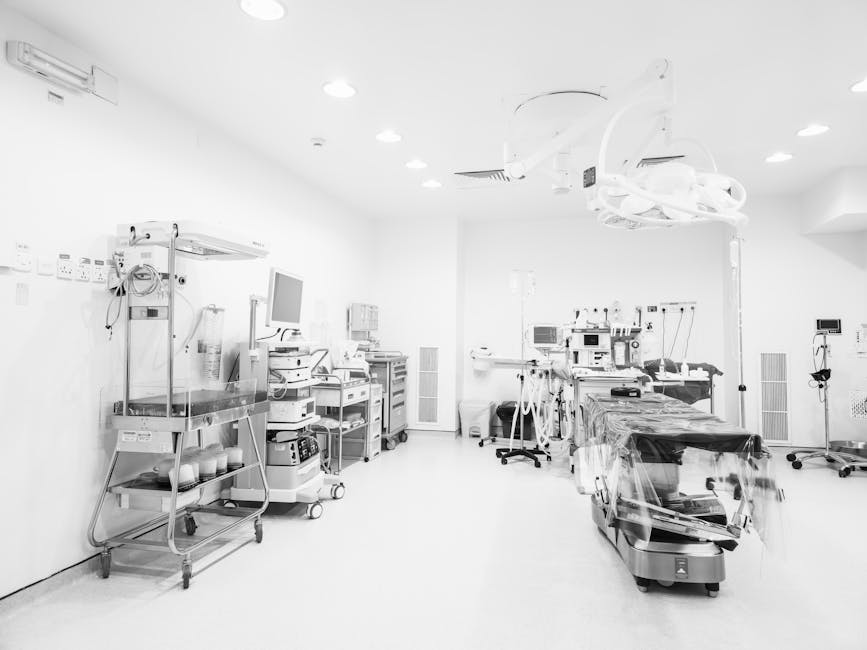
- Accredited Facility: Ensure your surgery will be in an accredited surgical center with strict safety protocols. Your surgeon should also have hospital privileges for seamless care if needed.
At Find Your Beautiful, our board-certified surgeons combine extensive experience with genuine care for each patient’s safety. We’d love to discuss your goals: https://www.findyourbeautiful.com/contact
Pre-Operative Preparation for a Safer Surgery
Proper preparation gives your body the best foundation for healing.
- Medical Evaluation: We will conduct a thorough review of your health history and run lab tests to ensure you are ready for surgery.
- Stable Weight: A tummy tuck is for body contouring, not weight loss. Being at a stable, healthy weight for at least a year beforehand leads to better, more lasting results.
- Smoking Cessation: You must stop all nicotine products for at least four to six weeks before and after surgery to prevent serious healing complications like skin death.
- Medication Adjustments: Avoid blood thinners like aspirin, ibuprofen, and certain supplements before surgery to reduce bleeding risk. Disclose all medications you take.
- Arrange Help: You will need someone to drive you home and assist you for the first few days.
- Good Nutrition: A balanced diet rich in protein and vitamins, along with good hydration, will fuel your body’s healing process.
For comprehensive guidance on preparing for your tummy tuck, visit: https://www.findyourbeautiful.com/blog/preparing-for-tummy-tuck
Crucial Post-Operative Care to Prevent Complications
Following post-operative instructions is essential for preventing complications.
- Follow Instructions: We provide a detailed roadmap for your recovery. Adhering to it is your most powerful tool for safe healing.
- Wear Compression Garments: These garments reduce swelling, prevent fluid buildup, and support healing tissues. Wear them as directed.
- Manage Drains: If you have drains, proper care is crucial to prevent infection and monitor healing.
- Walk Early and Often: Short, frequent walks, starting the day of surgery, are your best defense against blood clots.
- Manage Pain: Taking prescribed pain medication helps you rest and move appropriately, which supports healing.
- Attend Follow-Up Appointments: These visits are mandatory for monitoring your progress and catching any potential issues early.
- Monitor for Infection: Watch for signs like increasing redness, warmth, swelling, pain, or discharge, and call us if you have any concerns.
The Tummy Tuck Recovery Journey and What to Expect
Recovery from abdominoplasty is a journey that requires patience. Understanding the typical timeline helps you steer the process and recognize potential abdominoplasty risks and complications.
The First Few Weeks: Healing and Monitoring
This initial period is for intensive healing and requires rest and proper care.
- Initial Recovery: Expect to feel tired and sore. Pain medication will manage your discomfort. You will need to manage drains and dressings according to our specific instructions.
- Limited Mobility: You will likely walk with a bent-over posture for the first week or two to avoid straining the incision. This is normal and will improve as you heal.
- Swelling and Bruising: These will be most dramatic in the first few weeks. Most bruising fades within two to three weeks, but significant swelling will persist longer.
- When to Call Your Doctor: It is crucial to know the warning signs that require immediate medical attention. Contact us for:
- Severe, increasing pain not controlled by medication
- Excessive bleeding or unusual discharge
- Signs of infection (fever, increasing redness, warmth, pus)
- Symptoms of a blood clot (sudden shortness of breath, chest pain, calf swelling)
- Any sudden, dramatic changes that concern you
Long-Term Healing and Final Results
Your final results will emerge over the following weeks and months.
- Gradual Return to Activity: While gentle walking is encouraged immediately, you must avoid heavy lifting and strenuous exercise for at least four to six weeks to prevent complications like seroma or wound separation.
- Scar Maturation: Scars are initially red and raised but will flatten, soften, and fade over 12 to 18 months. Following our scar care protocols will help optimize their appearance.
- Swelling Resolution and Final Contour: While major swelling subsides in weeks, subtle swelling can last for months. Your final, refined contour will gradually reveal itself over 6 to 12 months.
- Maintaining Your Results: The best way to preserve your new contour for years is to maintain a stable weight through a consistent, healthy lifestyle. Significant weight fluctuations or future pregnancies can alter your results.
Conclusion
We hope this guide has helped you understand the full picture of abdominoplasty risks and complications. Knowledge is power when making such an important decision about your body and health.
Patient education is the foundation of our practice. We believe in transparency, which empowers you to make the best choice for your unique situation. During your consultation, we will conduct a personalized risk assessment and help you weigh the benefits against the potential risks, ensuring you have realistic expectations.
The importance of choosing a qualified, board-certified surgeon cannot be overstated, as this decision impacts every aspect of your experience, from safety to the quality of your final results.
At Find Your Beautiful in San Antonio, our expert surgeons are committed to providing beautiful, natural results while maintaining the highest standards of safety. Informed consent is a conversation, and we want you to feel confident and prepared.
Ready to take the next step? We’re here to answer your questions.