

Why Botox for Migraines Is a Game-Changing Treatment Option
Botox for migraines represents a breakthrough in chronic migraine prevention that has helped over 1 million patients regain control of their lives. This FDA-approved treatment can reduce headache days by an average of 8-9 days per month for people suffering from chronic migraines.
Quick Facts About Botox for Migraines:
- Who it’s for: Adults 18+ with chronic migraines (15+ headache days per month)
- How it works: Blocks pain signals and neurotransmitters that trigger migraines
- Treatment frequency: Every 12 weeks (4 times per year)
- Results timeline: 2-4 weeks to see initial benefits, with cumulative improvement over multiple treatments
- Success rate: Nearly 50% of patients see headache days cut in half after two treatments
- FDA approval: Approved in 2010 as the only preventive treatment for chronic migraines
Chronic migraines affect approximately 3.3 million adults in the United States, with women being three times more likely to suffer from this debilitating condition. Unlike episodic migraines, chronic migraines occur on at least 15 days per month, with each episode lasting 4 hours or longer.
The treatment involves 31 small injections into specific muscles around the head, neck, and shoulders using the PREEMPT protocol developed through extensive clinical trials. While the exact mechanism isn’t fully understood, researchers believe Botox works by interrupting pain pathways and blocking the release of chemicals like CGRP (calcitonin gene-related peptide) that contribute to migraine pain.
What makes this treatment particularly appealing is that 99% of current users plan to continue their treatments, according to recent surveys. The procedure takes just 15-20 minutes in a doctor’s office, and many insurance plans, including Medicare and Medicaid, cover the treatment when other preventive medications have failed.

Understanding Chronic Migraines and How Botox Can Help
If you’ve been struggling with frequent, debilitating headaches, you’re not alone. Chronic migraines affect millions of people, turning simple daily tasks into monumental challenges. The good news? There’s hope in the form of Botox for migraines – a treatment that’s literally changing lives.
Let’s explore what makes a migraine “chronic” and how this surprising solution can help you reclaim your days.
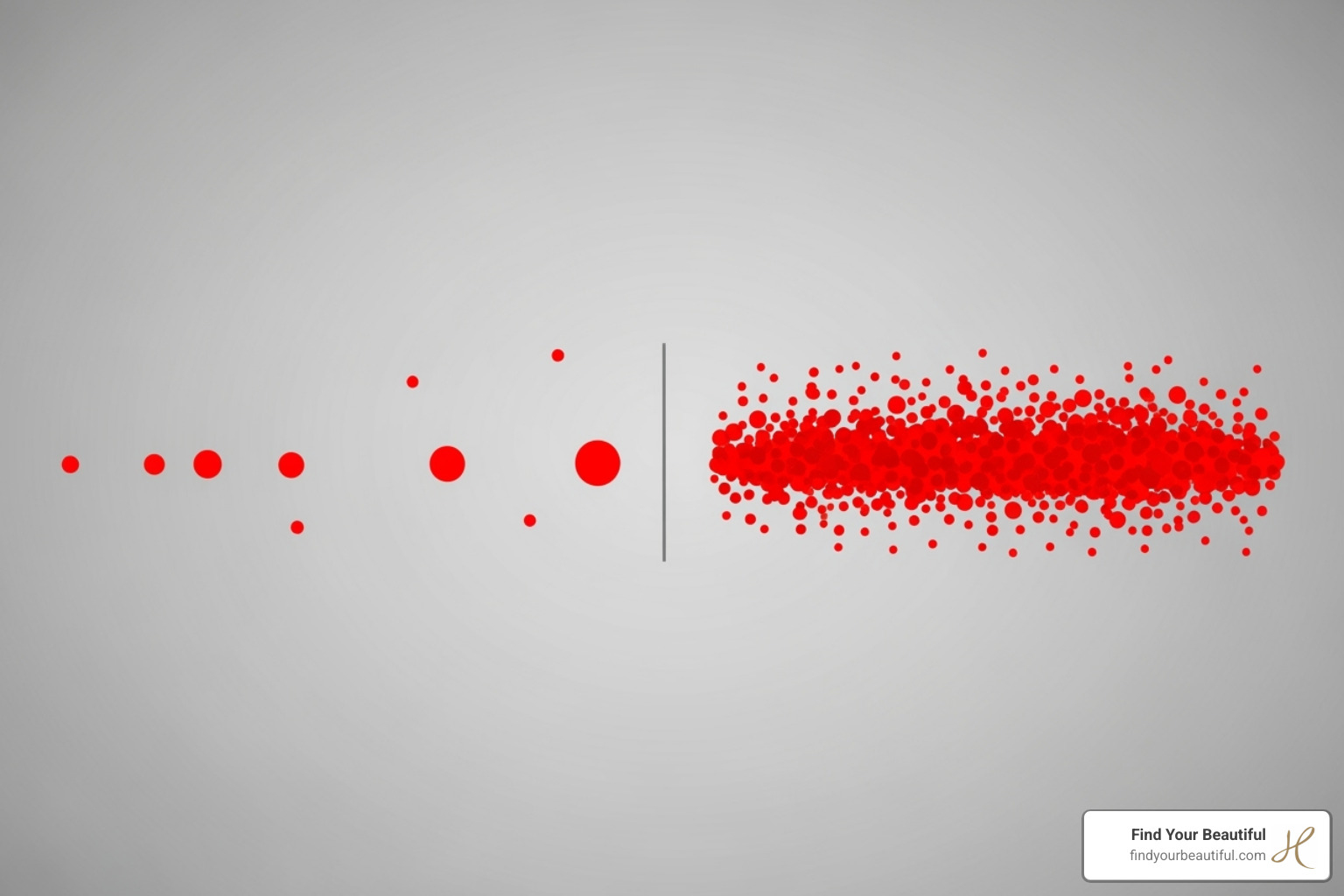
What is a chronic migraine?
You might think you know what a migraine is, but chronic migraines are in a league of their own. According to the International Headache Society, you’re dealing with chronic migraines if you experience 15 or more headache days per month for at least three months straight. Of those headache days, at least eight must have true migraine features – that means the throbbing pain, nausea, and sensitivity to light and sound that can make you want to hide under the covers.
Each episode typically lasts four hours or longer, though many people experience much longer attacks. This isn’t just having a “bad headache day” here and there – it’s a relentless pattern that can completely derail your life.
The difference between chronic and episodic migraines is significant. While someone with episodic migraines might have a few rough days each month, chronic migraine sufferers are dealing with pain more often than not. It’s like the difference between occasional rain showers and living in a constant storm.
How does Botox work for migraine treatment?
Here’s where things get interesting. Botox for migraines was finded almost by accident. Doctors noticed that patients getting Botox injections for wrinkles started reporting fewer headaches. What seemed like a happy coincidence turned into groundbreaking migraine research.
The science behind how Botox for migraines works is fascinating. When injected using the specialized PREEMPT protocol, onabotulinumtoxinA (the medical name for Botox) acts like a traffic controller for your pain signals. It blocks the release of neurotransmitters that carry pain messages to your brain, essentially interrupting the migraine process before it can fully develop.
One key player in this process is something called Calcitonin Gene-Related Peptide (CGRP). This chemical is heavily involved in migraine pain, and Botox helps block its release. Think of CGRP as the alarm system that triggers your migraines – Botox helps turn down the volume on that alarm.
The treatment also provides some muscle relaxation benefits, particularly in the head, neck, and shoulder areas where tension can contribute to headache pain. However, the primary benefit comes from interrupting those pain pathways, not just relaxing muscles.
Botox for migraines is a preventive treatment, not an acute one. You won’t inject it during a migraine to stop the pain – instead, regular treatments help prevent migraines from starting in the first place. Most patients receive injections every 12 weeks, building up cumulative benefits over time.
The results speak for themselves. Many patients see a significant reduction in both the frequency and intensity of their migraines, giving them back the freedom to plan activities, maintain careers, and enjoy relationships without constantly worrying about the next attack.
If you’re curious about the research behind this treatment, you can explore more scientific research on migraine treatment to see how this therapy has evolved from an accidental findy to a life-changing solution.
The Botox for Migraines Treatment Process: From Consultation to Recovery
If you’re considering Botox for migraines, you’re probably wondering what the journey looks like from start to finish. The good news? It’s much simpler than you might think. Let’s walk through everything together, so you know exactly what to expect.

Who is a good candidate for this treatment?
Botox for migraines isn’t right for everyone, and that’s actually a good thing. It means this treatment is carefully targeted to help the people who need it most. During your consultation with our board-certified specialists, we’ll determine if you’re an ideal candidate.
You’ll likely be a great fit if you’re an adult 18 or older who has been diagnosed with chronic migraines. That means experiencing headaches on 15 or more days per month, with at least 8 of those having true migraine features, for over three months. This isn’t just about having bad headaches – it’s a specific medical condition that requires precise treatment.
Most insurance companies also want to see that you’ve tried other preventive medications first. Usually, this means you’ve given at least two or three oral migraine preventives a fair shot, but they either didn’t work well enough or caused side effects you couldn’t tolerate. Think of Botox for migraines as your next step up when other options haven’t given you the relief you deserve.
There are some situations where Botox wouldn’t be safe for you. If you’re pregnant or breastfeeding, we’ll need to wait. The same goes if you have allergies to any ingredients in Botox or certain muscle and nerve conditions like ALS or myasthenia gravis. If you have a skin infection where we’d need to inject, we’ll treat that first.
During your consultation, we’ll review your complete medical history and migraine patterns. This isn’t just a checkbox exercise – we want to make sure this treatment will truly help improve your quality of life.
What can a patient expect during a treatment session?
Here’s where many patients are pleasantly surprised – the actual treatment is much quicker and more comfortable than they expected. Most people are in and out of our office in about 30 minutes, with the actual injections taking only 15-20 minutes.
We follow something called the PREEMPT Protocol, which sounds fancy but simply means we use the exact same proven injection pattern that was tested in clinical trials. This involves 31 small injections strategically placed across your forehead, temples, neck, and shoulders. Each injection uses a very fine needle and feels like a quick pinprick.
The total dosage is 155 units of Botox, carefully distributed across these specific muscle groups. Our specialists know exactly where each injection needs to go to target the nerve pathways involved in your migraines.
Most patients describe the sensation as minimal discomfort – think of it like getting a vaccination, but smaller and quicker. We can apply numbing cream beforehand if you’re particularly sensitive, though most people find they don’t need it.
After your treatment, you can go about most of your normal day right away. We’ll give you specific aftercare instructions, but they’re pretty straightforward: avoid rubbing the treated areas for 24 hours, stay upright for a few hours, and skip the gym for the rest of the day. Nothing too complicated.
The best part? You’re taking a real step toward fewer migraine days and getting back to the life you want to live.
Efficacy, Results, and Potential Side Effects
When patients ask us “Does Botox for migraines really work?”, we love sharing the incredible success stories we’ve witnessed. The clinical evidence is solid, and patient satisfaction rates speak for themselves – but we also believe in setting realistic expectations about what you can expect from your treatment journey.
The FDA approval in 2010 wasn’t handed out lightly. It came after extensive PREEMPT (Phase 3 Research Evaluating Migraine Prophylaxis Therapy) trials that proved Botox for migraines significantly reduces headache frequency. These large-scale studies showed patients experiencing an average of 8 to 9 fewer headache days per month compared to those receiving placebo treatments.
What makes this treatment particularly encouraging is the high patient satisfaction rate. Nearly 99% of current users plan to continue their treatments, which tells us something powerful about the relief they’re experiencing. When you’re dealing with chronic migraines, finding something that actually works feels life-changing.
How long does it take to see results and how often are treatments needed?
We understand the eagerness to feel better quickly, but Botox for migraines requires a bit of patience. Think of it like planting a garden – the benefits grow over time rather than appearing overnight.
Most patients begin noticing a reduction in headache frequency within 10 to 14 days after their first treatment session. Some folks need to wait a bit longer, up to four weeks, before experiencing that first wave of relief. This isn’t unusual, and it doesn’t mean the treatment isn’t working for you.
Here’s where things get really exciting: the cumulative effect. Each treatment builds on the previous one, creating increasingly better results. Clinical studies show that nearly half of patients experienced a 50% reduction in monthly headache days after just two rounds of treatment. By the fifth round, this number jumped to about 70% of patients.
To maintain these preventative benefits, we schedule treatments every 12 weeks – that’s roughly four times per year. This consistent schedule keeps those pain signals blocked and maintains your improved quality of life. We’ll work with you to establish a regular treatment plan that fits seamlessly into your routine.
What are the potential risks and side effects associated with botox for migraines?
We believe in complete transparency about potential side effects because your safety and informed consent are our top priorities. When administered by our experienced, board-certified professionals at Find Your Beautiful, these risks are generally low and manageable.
The most common side effect is neck pain or stiffness, which affects about 9% of patients and usually resolves on its own. Some patients experience a temporary headache after injections (we know, the irony isn’t lost on us), along with typical injection-related effects like mild pain, swelling, or bruising at the injection sites.
Occasionally, patients notice temporary muscle weakness in the treated areas, which might make it slightly harder to hold your head upright for a few days. This is normal and indicates the Botox is working on those targeted muscles.
Less commonly, some patients develop drooping eyelid (ptosis) or drooping eyebrow, occurring in about 1.9% of cases. While concerning when it happens, these effects are temporary and resolve as the Botox naturally wears off over time.
The FDA requires us to discuss rare but serious side effects, including the potential for Botox to spread beyond injection sites. While extremely uncommon at migraine treatment doses, this could cause problems with swallowing, speaking, breathing, or generalized muscle weakness. If you experience any of these symptoms, seek immediate medical attention.
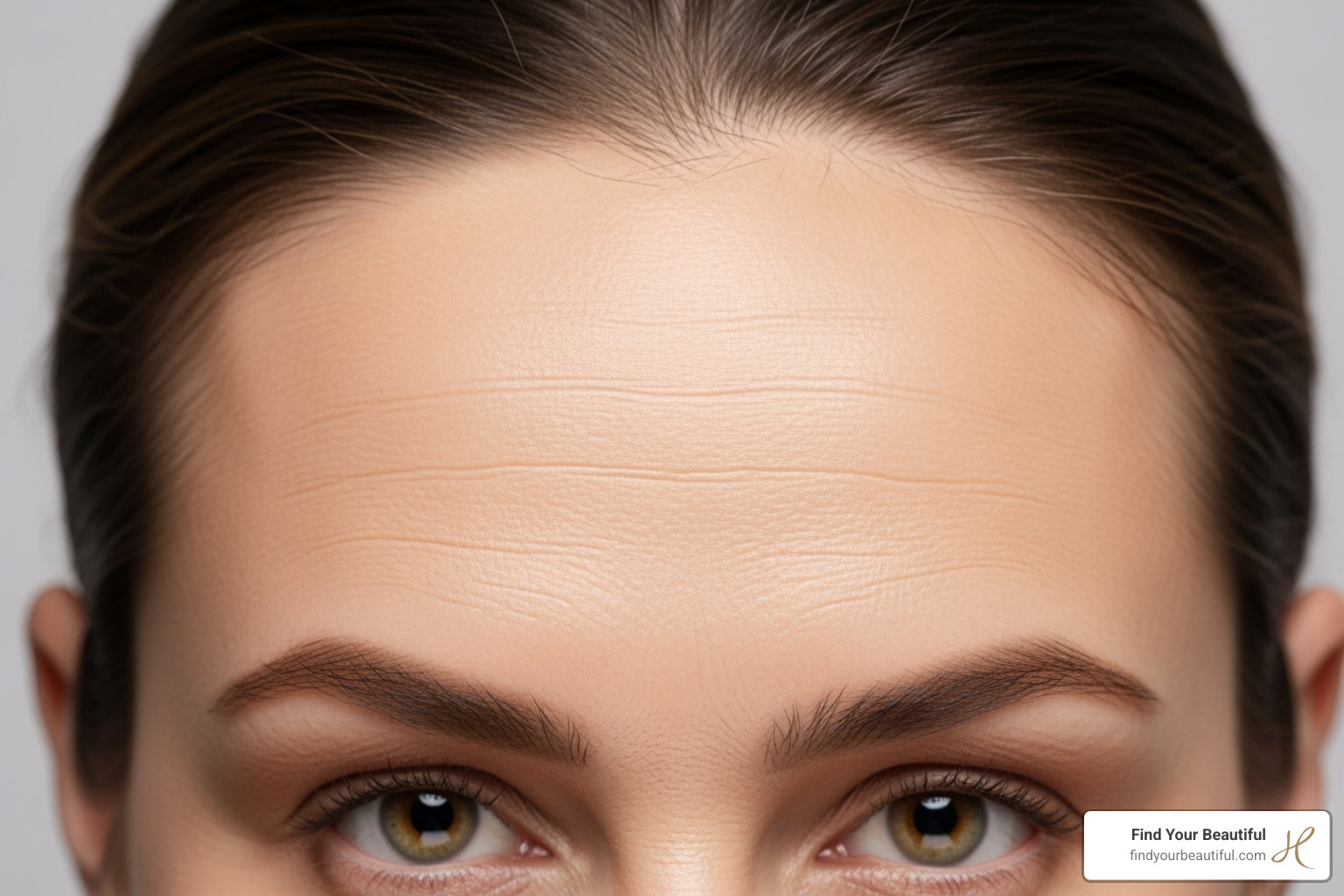
Here’s a pleasant surprise many patients find: some notice subtle cosmetic benefits like reduced forehead wrinkles. While this isn’t the primary goal, it’s a nice bonus since some injection sites overlap with areas where wrinkles commonly form. The dosage and pattern for migraine treatment differ from cosmetic use, so dramatic cosmetic changes aren’t expected – but a little smoothing? That’s just an added perk.
For complete details about potential risks, we encourage reviewing the official FDA Medication Guide. During your consultation, we’ll discuss your specific risk factors and answer any questions about side effects.
Accessing Botox for Migraine Treatment and Understanding Costs
Taking the first step toward Botox for migraines treatment might feel overwhelming, but we’re here to make the process as smooth as possible. Understanding how to access this life-changing treatment and what it costs doesn’t have to be complicated – let’s walk through it together.

How can patients access treatment and what are the costs?
Your journey to Botox for migraines relief starts with finding the right healthcare professional. You’ll need to consult with a neurologist or headache specialist who can properly diagnose your chronic migraine and confirm you meet all the treatment criteria we discussed earlier. These specialists understand the complexities of migraine disorders and can guide you through the entire process.
At Find Your Beautiful in San Antonio, TX, our board-certified surgeons and medical aesthetics specialists work hand-in-hand with your referring physician to create a comprehensive care plan custom just for you. This collaborative approach ensures you receive the best possible treatment experience.
Once your doctor determines you’re a good candidate, the next step involves insurance pre-authorization. Here’s some great news: most commercial insurance plans, including Medicare and Medicaid, cover Botox for migraines when it’s medically necessary. However, insurance companies typically require prior authorization, which means your doctor needs to submit documentation proving you meet the chronic migraine criteria and have tried other preventive treatments first.
Don’t worry – this paperwork process is standard, and our team can help guide you through it. We understand that dealing with insurance can be frustrating, so we’re here to support you every step of the way.
Cost considerations vary depending on your specific insurance coverage and the dosage you need. The FDA-recommended dose of 155 units typically ranges from $300 to $600 per treatment session before insurance kicks in. With insurance coverage, your actual out-of-pocket costs will depend on your plan’s deductible, co-pay, and co-insurance amounts.
We know that even with insurance, medical treatments can strain your budget. That’s why we’re excited to tell you about patient assistance programs available to help reduce your costs. The manufacturer of Botox offers a savings program for eligible patients with commercial insurance that can reduce your co-pay to as little as $0. This program provides potential reimbursement up to $1300 for your first treatment and $1000 for follow-up treatments, with a maximum benefit of $4000 per year.
These programs have specific eligibility requirements and typically don’t include patients on government-funded healthcare programs or those paying cash. For the most current information about eligibility and benefits, we recommend visiting the official Botox Savings Program website.
Our team at Find Your Beautiful is always available to help you understand your options and steer the financial aspects of your treatment. We believe that cost shouldn’t be a barrier to finding relief from chronic migraines, and we’ll work with you to explore every available option to make your treatment as affordable as possible.
Frequently Asked Questions about Botox for Migraines
We understand that considering Botox for migraines brings up many questions. These are some of the most common concerns our patients share with us, and we’re here to put your mind at ease with honest, straightforward answers.
Is the treatment painful?
Let’s be real – the thought of 31 injections around your head and neck might make you wince a little. But here’s the good news: most of our patients are pleasantly surprised by how manageable the discomfort actually is.
The needles we use for Botox for migraines are incredibly fine – much thinner than what you’d encounter during a typical blood draw. The injections themselves are shallow, going just beneath the skin surface rather than deep into muscle tissue.
Most patients describe the sensation as small pinpricks – similar to the feeling of a quick snap with a rubber band. The entire treatment takes only 15-20 minutes, so even if you do feel some discomfort, it’s over quickly.
We don’t typically need to use anesthesia for the procedure, though we can apply a numbing cream beforehand if you’re particularly sensitive to injections. Many patients find that the anticipation is actually worse than the treatment itself.
Will Botox for migraines make my face look frozen?
This is probably our most asked question, and we completely understand the concern! The short answer is no – Botox for migraines is very unlikely to give you that “frozen” look when done correctly.
Here’s why your face will still look naturally expressive: The therapeutic dosage and injection pattern for migraine treatment are completely different from cosmetic Botox procedures. When we’re treating migraines, we’re targeting specific nerve endings and muscles involved in pain pathways, not the muscles that control your facial expressions.
Our board-certified specialists follow the precise PREEMPT protocol developed specifically for migraine treatment. This means every injection is strategically placed for maximum pain relief while preserving your natural ability to smile, frown, and express yourself.
You might notice some subtle cosmetic effects, like a slight smoothing of forehead lines, but this is usually a welcome bonus rather than a dramatic change. Think of it as a gentle side effect rather than a complete facial change.
The bottom line? You’ll still look like you – just hopefully with far fewer migraine days.
How do I know if I have chronic migraine?
This is such an important question because getting the right diagnosis is the first step toward effective treatment. Many people suffer with frequent headaches for years without realizing they might qualify for Botox for migraines.
The key is in the numbers: chronic migraine means experiencing headaches on 15 or more days per month for at least three months, with at least 8 of those days featuring true migraine symptoms like throbbing pain, nausea, or sensitivity to light and sound.
Keeping a headache diary is absolutely crucial. For at least one to three months, track every headache day, noting how long each episode lasts, the severity of your pain, and any symptoms that accompany it. Include potential triggers you notice too – things like stress, certain foods, or changes in sleep patterns.
This diary becomes invaluable when you consult with a doctor. Bring it to your appointment with a neurologist or headache specialist who can review your patterns and make an accurate diagnosis. Don’t try to self-diagnose – a professional evaluation is essential for determining if you truly have chronic migraine and whether Botox for migraines could be the right treatment for you.
The diagnosis requires that specific pattern of 15+ headache days per month over at least three months. If your headaches are less frequent, you might have episodic migraines, which unfortunately don’t qualify for this particular treatment option.
Conclusion
Living with chronic migraines doesn’t have to mean accepting a life of constant pain and missed opportunities. The breakthrough treatment of Botox for migraines has already transformed the lives of over a million people, offering genuine hope and proven efficacy where other treatments have fallen short.
What makes this treatment truly remarkable isn’t just the clinical data – though the numbers speak volumes. It’s the stories of patients who’ve reclaimed their careers, their relationships, and their joy. When you can reduce your headache days by an average of 8-9 days per month, you’re not just treating symptoms – you’re getting your life back.
The personalized care approach is what sets successful treatment apart. Every patient’s migraine pattern is unique, and finding the right preventive solution requires expertise, patience, and a deep understanding of both the condition and the treatment options available.
At Find Your Beautiful, located on Stone Oak Parkway in San Antonio, TX, we understand that true beauty comes from feeling your best – inside and out. Our board-certified surgeons and medical aesthetics specialists don’t just focus on cosmetic outcomes; we’re committed to treatments that improve your overall well-being and quality of life.
Botox for migraines represents more than just a preventive treatment – it’s a pathway to refinding what it feels like to live without the constant shadow of chronic pain. With insurance coverage available through most plans and patient assistance programs to help with costs, this life-changing therapy is more accessible than ever.
If you’re ready to explore whether this proven treatment could be your answer to chronic migraine relief, we’re here to guide you through every step of the journey. From initial consultation through ongoing care, our goal is helping you find your beautiful – a life where chronic pain no longer calls the shots.