

Understanding Your Skin Resurfacing Options
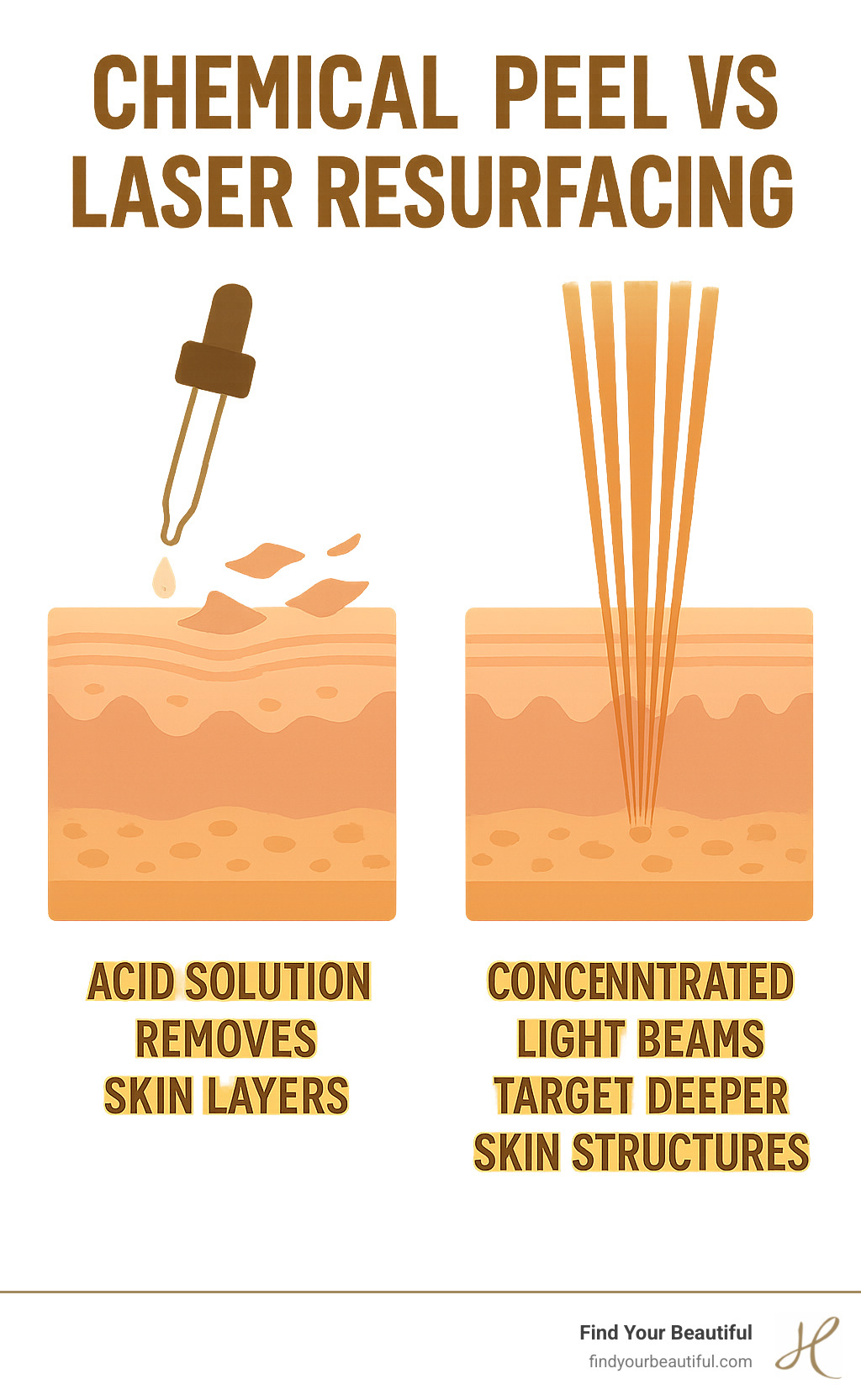
When considering chemical peel vs laser resurfacing, both treatments refresh the skin by removing damaged outer layers and stimulating new cell growth. However, they achieve this in different ways.
Chemical Peels:
- Use acid solutions to dissolve dead skin cells.
- Best for surface-level concerns like mild sun damage and uneven tone.
- Downtime for light peels is minimal (none to 2 days).
- More affordable, ranging from $99-$125 per session.
- Results last 1-6 months, depending on the peel’s depth.
Laser Resurfacing:
- Uses focused light energy to vaporize skin layers.
- Better for deeper issues like significant wrinkles and scars.
- Can result in up to 40% tighter skin through collagen stimulation.
- Higher cost, from $350-$1,200+ per session.
- Results can last 3-5 years.
The right choice depends on your specific skin concerns, budget, and tolerance for downtime. “Both chemical peel and laser resurfacing have been the solution for many skin conditions, but knowing which to choose can feel confusing,” notes one dermatology expert. Each treatment has distinct advantages depending on your goals.
Understanding how these treatments work is the first step to deciding which is right for your fine lines, acne scars, sun damage, or uneven skin tone.
How They Work: The Science Behind Skin Renewal
Both chemical peel vs laser resurfacing treatments work by creating a controlled injury to the skin. This process prompts your body’s natural healing response, boosting collagen stimulation and elastin production—the building blocks of firm, youthful skin. The thermal effect from lasers and the chemical action from peels both signal your skin cells to refresh and renew.
The Chemical Peel Process
Chemical peels remove damaged top layers of skin to reveal the fresh, healthy skin underneath. Acidic solutions are carefully applied to the skin, creating a pH change that loosens dead cells. This process simply accelerates your skin’s natural exfoliation for a more effective renewal.
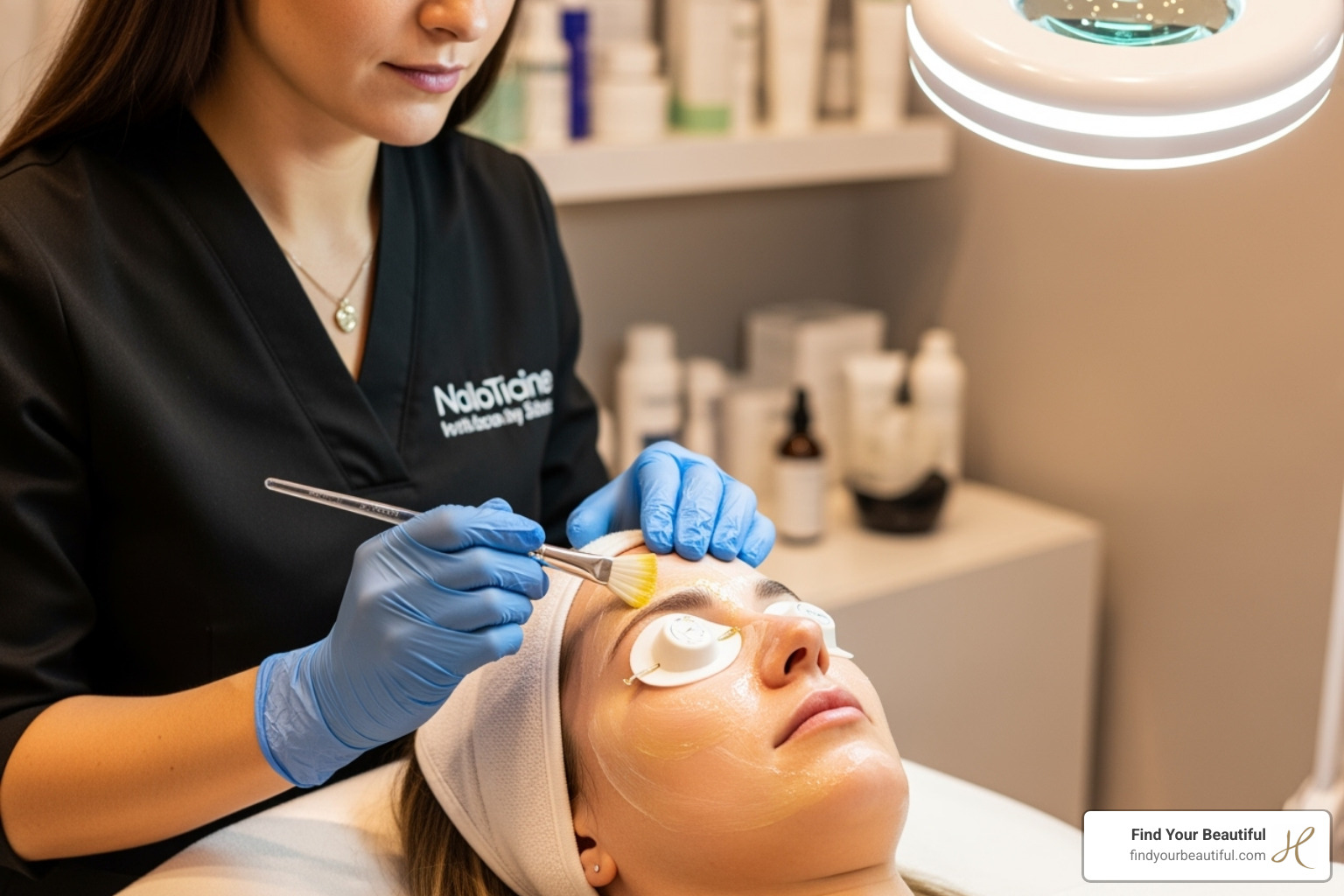
We offer three main types of peels:
- Light peels use gentle acids (like glycolic acid) for a quick refresh with no downtime.
- Medium peels use stronger acids (like trichloroacetic acid) to tackle issues like sun damage and fine lines, requiring about a week of recovery.
- Deep peels are the most intensive option for serious concerns like deep wrinkles, but they require longer healing time.
As your skin heals, new cells emerge, giving you a healthy glow. Want to learn more? Check out how chemical peels work or explore our Chemical Peels Menu.
The Laser Resurfacing Process
Laser resurfacing uses concentrated light beams to achieve skin renewal. The beams create a thermal effect by targeting water in skin cells, which vaporizes damaged tissue layer by layer. This laser energy not only removes old skin but also sends a powerful signal to the dermis to boost collagen and elastin production.

Different types of lasers are used depending on your needs:
- Ablative lasers remove the top skin layer while heating deeper layers for dramatic results.
- Non-ablative lasers work more gently, heating underlying tissue without harming the surface.
- Fractional lasers, like our ProFractional™ treatments, create microscopic treatment zones, leaving surrounding tissue intact for faster healing and impressive results.
Unlike peels that affect broader areas, lasers can target specific concerns with pinpoint accuracy.
Read about The Role of Ultra Laser Treatments in Anti-Aging Skincare or explore information from the American Society of Plastic Surgeons.
Targeted Treatments: What Skin Concerns Do They Address?
In the chemical peel vs laser resurfacing debate, both treatments can address your skin concerns, but each has its strengths. Both can tackle common issues like fine lines, wrinkles, sun damage, acne scars, hyperpigmentation, and rough skin texture. The key is matching the right treatment to your specific concerns.
What Chemical Peels Are Best For
Chemical peels are versatile and ideal for surface-level concerns. We often recommend them for the following:
- Superficial irregularities: Peels are excellent for fine lines and uneven tone. Light and medium peels improve overall texture and give you a healthy glow.
- Mild sun damage: Peels work well for fading freckles and sun spots, helping to reverse early signs of photoaging.
- Active acne and clogged pores: Peels containing salicylic acid are fantastic for unclogging pores and reducing breakouts.
- Uneven pigmentation: Peels are effective for creating a more uniform complexion by addressing mild to moderate dark spots.
- Melasma: For this tricky form of hyperpigmentation, chemical peels are often the preferred choice. They offer a gentler approach than some lasers, which can worsen the condition, especially in darker skin tones.
However, peels have limitations for deep scars and wrinkles. While they may offer slight improvement, they won’t produce the dramatic results seen with more intensive treatments.
Ready to learn more? Check out our guide on Chemical Peels for Skin That Feels Amazing.
What Laser Resurfacing Is Best For
For more significant skin concerns, laser resurfacing is often the hero treatment. Its precision and depth make it perfect for intensive intervention.
- Deeper wrinkles: Lasers are excellent for reducing more prominent lines by stimulating deep collagen production.
- Significant sun damage: For severely sun-damaged skin with pronounced age spots, ablative lasers offer dramatic improvements by removing damaged layers.
- Severe acne scars: Lasers excel at treating depressed acne scars. They remodel the skin and stimulate new collagen to fill in depressions, with potentially life-changing results.
- Skin tightening: A key benefit is skin tightening, which peels can’t match. Lasers can result in up to 40 percent tighter skin due to intense collagen remodeling.
- Precision targeting: The precision of lasers is a huge advantage, allowing us to treat individual scars or spots with accuracy while leaving surrounding skin untouched.
Lasers do have limitations for certain skin tones. Darker skin has a higher risk of pigment changes with some laser types, so a thorough consultation is crucial to determine the safest approach.
See the incredible changes possible in our View our Skin Resurfacing Gallery.
The Ultimate Comparison: Chemical Peel vs Laser Resurfacing
Choosing between chemical peel vs laser resurfacing involves understanding key differences in the treatment journey. Let’s break them down.
| Feature | Chemical Peel | Laser Resurfacing |
|---|---|---|
| Best For | Fine lines, mild sun damage, acne, uneven tone, melasma, superficial blemishes, clogged pores | Deeper wrinkles, severe sun damage, acne scars, skin laxity, precision targeting, significant pigmentation |
| Downtime | Light: None to 1-2 days Medium: Up to 1 week Deep: Several weeks to months |
Non-ablative: 1-3 days Ablative: 1-2 weeks |
| Cost | Light: ~$99 Medium: ~$125 Deep: ~$750-$850 |
Non-ablative: ~$350-$1200+ Ablative: ~$600-$6000 |
| Results Longevity | Light: ~1 month Medium: 4-6 months Deep: Several years (up to 10) |
Non-ablative: 1-2 years Ablative: Several years (up to 5, potentially “lifetime” with maintenance) |
| Collagen Stimulation | Mild to moderate, encouraging new cell growth | Moderate to significant, actively remodeling existing collagen and stimulating new production (up to 40% tighter skin) |
Recovery and Downtime
Your lifestyle is a key factor, as recovery times vary significantly.
- Light chemical peels are “lunchtime” treatments with minimal downtime. Mild redness or flaking resolves in a day or two.
- Medium chemical peels require about a week of recovery, with noticeable redness, swelling, and peeling. Some may require sedation for comfort.
- Deep chemical peels involve a long recovery of several weeks, with redness that can last for months. They require IV sedation and anesthesia.
- Non-ablative lasers cause a mild sunburn look for one to three days. Multiple sessions are usually needed for optimal results.
- Ablative lasers require one to two weeks of intensive healing, with oozing, crusting, and a severe sunburn sensation. However, it’s often a single treatment for many concerns.
Regardless of the treatment, daily use of broad-spectrum SPF 30+ sunscreen is essential to protect your healing skin and maintain results.
Results, Longevity, and Collagen Production
The timeline for results and their longevity vary significantly between treatments.
- Chemical Peels: Light peels offer an immediate glow. With medium peels, results like faded scars appear over two to four months. Deep peels can last for several years.
- Laser Resurfacing: Lasers improve texture and tone within a week, with the best results appearing over several weeks as new collagen forms. Non-ablative results last one to two years, while ablative results can last for several years, becoming a near-permanent improvement with proper care.
Lasers truly shine with their skin tightening effect. They dive deeper than peels to contract existing collagen and powerfully stimulate new growth, leading to up to 40 percent tighter skin. Understanding The Science Behind Collagen and How It Affects Your Skin helps explain this transformative benefit.
Cost and Investment
Beautiful skin is an investment. The cost for both chemical peel vs laser resurfacing is influenced by the treatment’s type and depth, the area being treated, your provider’s expertise, and geographic location. The required number of sessions also affects the total investment.
- Chemical Peels: Light peels start around $99, medium peels are around $125, and deep peels average $750-$850.
- Laser Treatments: This is a wider range. Photo facials may start around $350, while intensive resurfacing can be $600 to $6000 per session.
While peels are more affordable per session, lasers may require fewer treatments for deeper concerns. Our San Antonio team will help you find the right balance between your budget and goals during your consultation.
Making the Right Choice for Your Skin
Deciding between chemical peel vs laser resurfacing is a personal choice, as the right treatment depends on your unique skin, goals, budget, and lifestyle. Limited recovery time may rule out deeper treatments, while more available time opens up intensive options. The goal is to find an approach that aligns with your needs, and a professional consultation is invaluable for this.
Safety and Suitability: Chemical Peel vs Laser Resurfacing for Different Skin Types
Your skin tone and type are crucial for determining which treatments are safe and effective. We use the Fitzpatrick scale to assess your skin’s reaction to the sun and guide treatment choices.
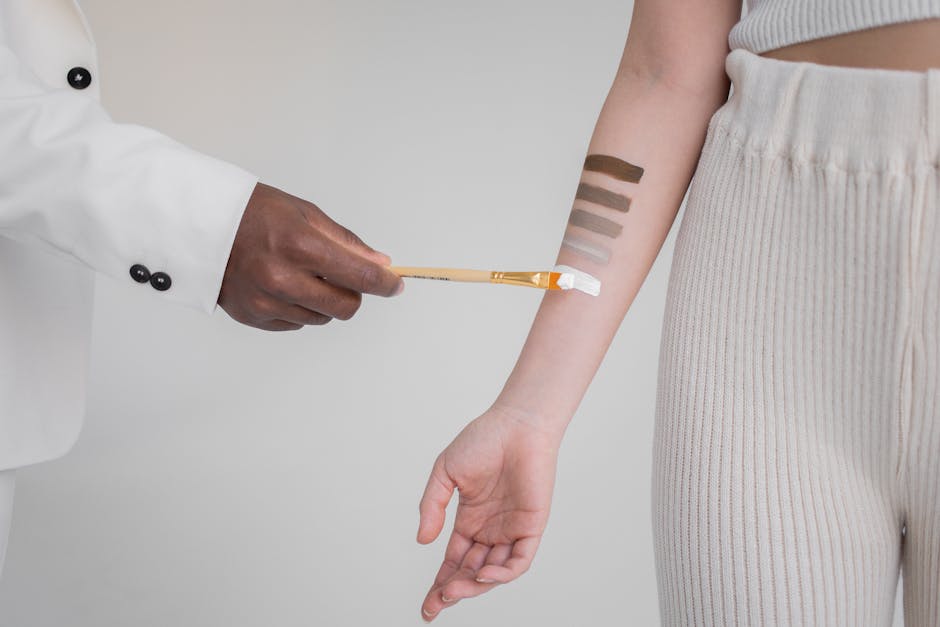
For darker skin tones, safety is paramount. Some laser treatments, especially ablative ones, carry a higher risk of pigment changes like post-inflammatory hyperpigmentation (dark spots). Chemical peels, especially medium-depth ones, are often a safer choice for darker skin, providing excellent results without altering skin tone. Lasers aren’t off-limits but require careful selection.
Sensitive skin can also be treated. Gentle, light chemical peels or non-ablative lasers are often suitable options. You can explore more about treatments for sensitive skin.
Specific conditions require a custom approach. Some lasers are great for rosacea, while chemical peels are often preferred for melasma, as some lasers can worsen it. Our board-certified surgeons consider all these factors during your consultation to recommend the safest, most effective path.
Combining Treatments: Can You Get Both?
“Can I get both?” is a common question. The answer is often yes—these treatments can be combined effectively with proper planning, but professional guidance is essential. Combining treatments without expert oversight can lead to over-treatment and skin damage.
Treatment spacing is crucial. We might perform a light peel weeks before a laser treatment to prepare the skin, or a gentle peel weeks after to refine results. This pre-conditioning can improve final outcomes. The biggest risk is over-exfoliation, so we always prioritize your skin’s health.
Strategic combinations offer complementary results. For example, a laser can treat deep scars, while a later peel refines surface texture, achieving a more comprehensive result than either treatment alone. Our approach is always personalized, and we’ll create a custom plan to maximize your results safely.
Frequently Asked Questions about Skin Resurfacing
Choosing between chemical peel vs laser resurfacing can be overwhelming. Here are answers to common questions.
Which treatment is better for deep acne scars?
For deep, pitted acne scars, laser resurfacing is typically the most effective option. Lasers are superior for deep scars because they penetrate deeper to trigger a more dramatic collagen remodeling response. Ablative and fractional lasers vaporize scar tissue with precision, stimulating skin to rebuild from within. While medium or deep peels can help, laser resurfacing generally offers the most significant improvement for stubborn, deep scars.
Is one treatment more painful than the other?
Pain perception varies, but here’s what you can generally expect. We have excellent methods to manage discomfort for all treatments.
- Light chemical peels cause a brief, mild stinging or tingling sensation.
- Medium chemical peels involve a more noticeable burning sensation, managed with numbing creams or light sedation.
- Deep chemical peels require anesthesia, so you feel nothing during the procedure. Recovery involves significant discomfort, which we manage with pain medication.
- Non-ablative lasers feel like a rubber band snap, made tolerable with numbing cream and cooling devices.
- Ablative lasers also require anesthesia. Post-treatment discomfort is like an intense sunburn, but we provide everything needed for a smooth recovery.
How long do the results of each treatment last?
Result longevity depends on treatment depth and, crucially, your aftercare. No treatment stops time, but proper care ensures you can enjoy your results for years.
- Chemical Peels: Light peel results last about a month (ideal for maintenance). Medium peel results last four to six months. Deep peel results can last for several years, though natural aging continues.
- Laser Resurfacing: These treatments offer longer-lasting results. Non-ablative results last one to two years. Ablative laser results can last three to five years or more, as the new skin is permanent, though it will still age naturally.
The secret to long-lasting results for any treatment is diligent sun protection (daily SPF 30+) and a healthy lifestyle. A good skincare routine, hydration, and not smoking are key.
Conclusion: Your Path to Radiant Skin
Your skin is unique, so your rejuvenation path should be too. The choice between chemical peel vs laser resurfacing is about finding the right fit for you.
Both treatments offer great benefits. Chemical peels work on the surface for a healthy glow. Laser resurfacing works deeper to remodel skin, stimulate collagen, and provide significant tightening for a more youthful look. A light peel is great for a quick refresh, while laser resurfacing is better for deep acne scars. For concerns in between, a medium peel or fractional laser might be ideal.
The best treatment is one that aligns with your personal goals, budget, lifestyle, and downtime tolerance. At Find Your Beautiful, we know this choice can be overwhelming, which is why an expert consultation is so important. Our board-certified specialists listen to your goals and concerns to create a custom treatment plan for you.
During your consultation, we’ll assess your skin, discuss your goals, and review your history to explain your options clearly. We will recommend the safest, most effective plan, which may be a single treatment or a combination approach.
Your journey to radiant skin starts with a conversation. Our specialists are here to help you steer your options and achieve your aesthetic goals with a custom treatment plan that feels right for you. We’re committed to helping you feel confident and beautiful in your own skin.
Ready to find what’s possible for your skin? We invite you to explore our comprehensive range of rejuvenating treatments: Revive Your Radiance with Our Medspa Services. Your path to radiant, healthy skin is waiting—and we’re here to guide you every step of the way.