
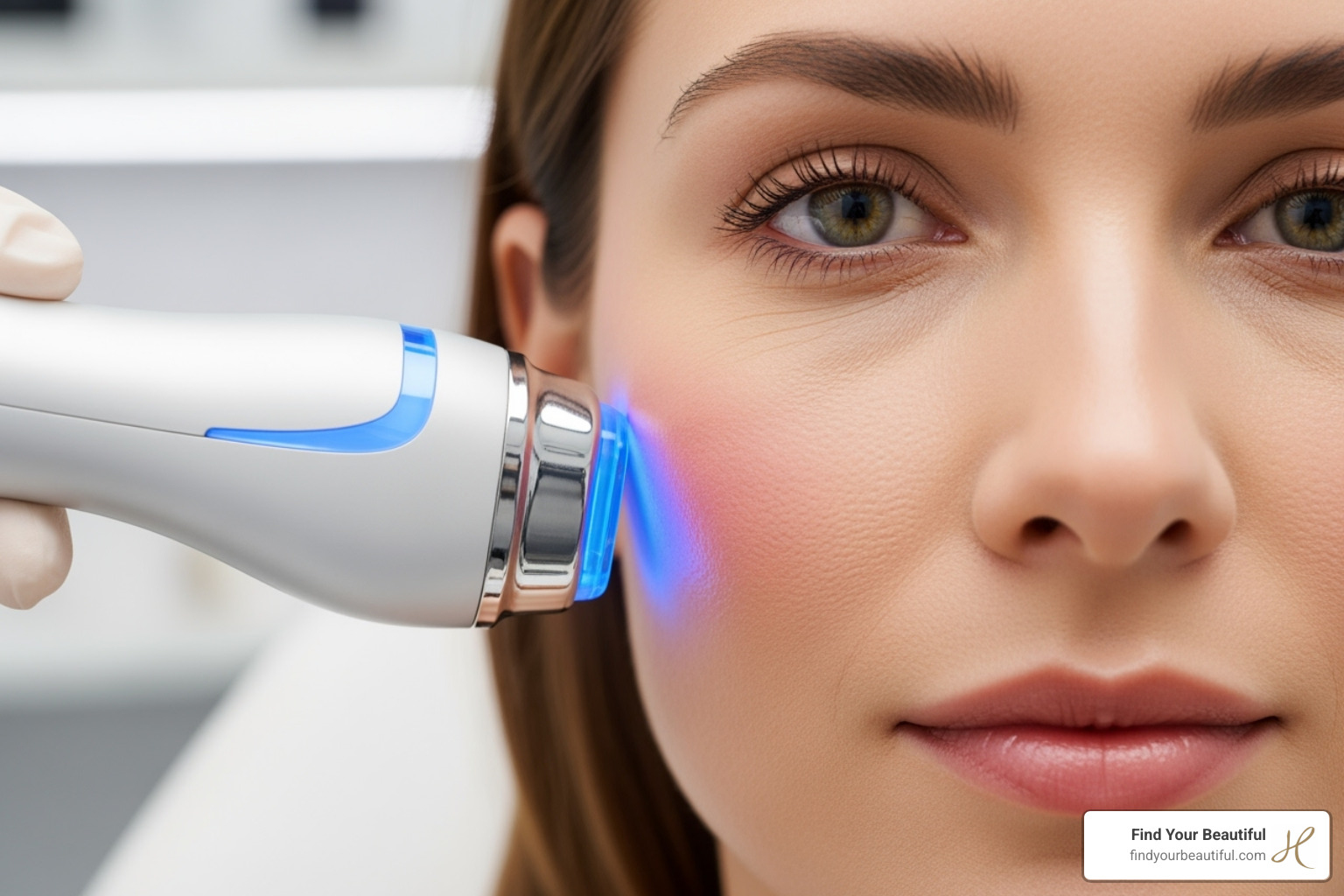
Skin Tightening: Your Guide to Understanding Creams and Professional Procedures
When you notice the first signs of sagging skin, the skin tightening cream vs procedure debate begins. Skincare aisles promise a “lift in a jar,” while medical spas offer high-tech treatments. Understanding the difference is key to choosing wisely for your skin.
Quick Comparison: Creams vs. Professional Procedures
| Factor | Skin Tightening Creams | Professional Procedures |
|---|---|---|
| How They Work | Moisturize surface, may stimulate mild collagen with retinoids/peptides | Deliver targeted energy to dermis, stimulate significant collagen production |
| Results | Subtle plumping, temporary smoothing | Modest to significant lifting and tightening |
| Timeline | Immediate moisturizing effect, gradual improvement over weeks/months | Results appear gradually over 2-6 months |
| Longevity | Temporary, requires continuous use | 1-3 years with maintenance |
| Best For | Early prevention, minimal fine lines, maintenance | Mild to moderate skin laxity, visible sagging |
| Cost | Low upfront ($20-$100/month) | Higher upfront ($850-$3,000 per session) |
| Downtime | None | Minimal to none (typically 1-3 days redness) |
The reality is that creams cannot penetrate deeply enough to truly lift sagging skin. Their immediate effects are usually due to moisturizing, which temporarily plumps the skin, not genuine collagen building.
Professional procedures work differently. Technologies like radiofrequency and ultrasound deliver controlled energy deep into the dermis, triggering your body’s natural healing response. This stimulates new collagen production (neocollagenesis) for genuine, lasting firmness.
As Dr. Thomas Jeneby, a board-certified plastic surgeon in San Antonio, I’ve guided thousands of patients through this decision. My goal is to help you understand what will genuinely work for your skin, whether it’s an at-home routine or an advanced treatment at our facility.

Key terms for skin tightening cream vs procedure:
The Allure of a Jar: How Effective Are Skin Tightening Creams?
Skin tightening creams promise a “facelift in a bottle,” and their accessibility makes them a popular first choice. But in the skin tightening cream vs procedure debate, it’s crucial to understand their limitations.
Topical creams work on the epidermis (the outermost skin layer), providing excellent hydration that temporarily plumps fine lines. This makes skin look fresher and smoother. However, true skin tightening requires reaching the deeper dermis, where collagen and elastin provide structural support. Most cream ingredients can’t penetrate this deeply to create lasting change.
The Science Behind Firming Ingredients
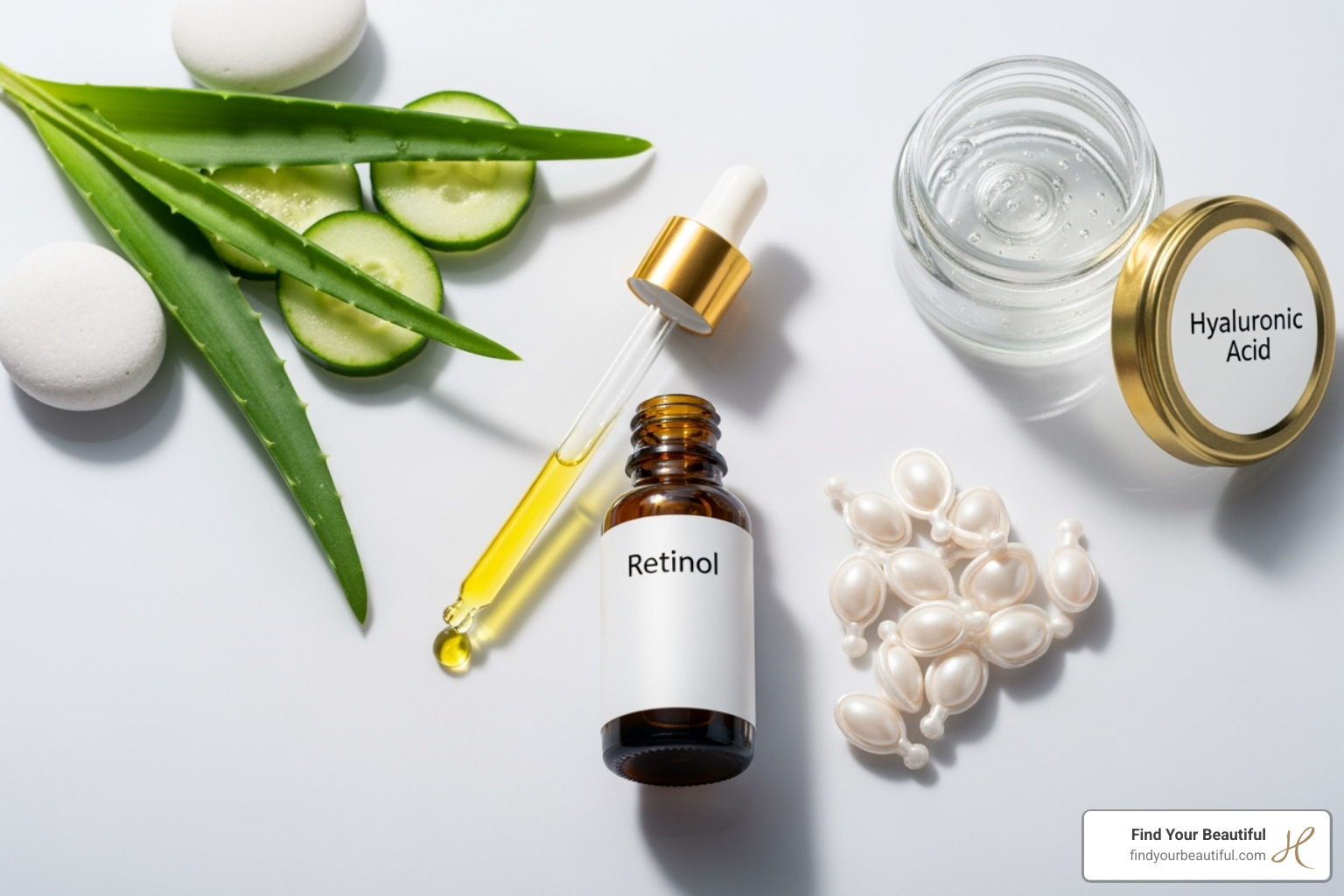
Certain ingredients do offer real, albeit modest, benefits for skin health and firmness.
- Retinoids: Derived from Vitamin A, these are scientifically proven to increase cell turnover and stimulate some collagen production over time. The benefits of Retinoids are confirmed by scientific research, improving texture and fine lines, but they can’t fix significant sagging.
- Peptides: These amino acid chains can signal your skin to produce more collagen. They are best used as a supportive measure in a good skincare routine.
- Hyaluronic Acid: A moisture magnet that plumps the skin, making it look smoother and temporarily reducing fine lines. It hydrates but doesn’t structurally tighten.
- Antioxidants (like Vitamin C): These protect skin from free radical damage that breaks down collagen. They are essential for prevention and maintaining skin health but won’t reverse existing sagging.
It’s also important to know that the collagen molecules in “collagen creams” are too large to penetrate the skin, making them ineffective at rebuilding your skin’s structure.
Setting Realistic Expectations for Creams
What can you realistically expect from creams? They offer subtle, temporary improvements by plumping the skin. Any “tightening” sensation is usually from film-forming agents, not actual tissue lifting.
Creams excel at early prevention and maintenance. A good routine with sunscreen (SPF 30+) is one of the best firming strategies, as UV exposure is a primary cause of collagen breakdown. However, creams cannot lift significant sagging like jowls or loose neck skin. Their benefits are temporary and require consistent daily use.
For our patients in San Antonio, we explain that creams are a vital part of skin health. But for noticeable, lasting results against skin laxity, professional treatments are necessary.
The Clinical Approach: An Overview of Professional Skin Tightening Procedures
When creams aren’t enough to fix sagging skin, it’s time to consider professional treatments. In the skin tightening cream vs procedure debate, this is where real, lasting change becomes possible. These treatments work deep beneath the skin’s surface to deliver noticeable improvements without surgery.
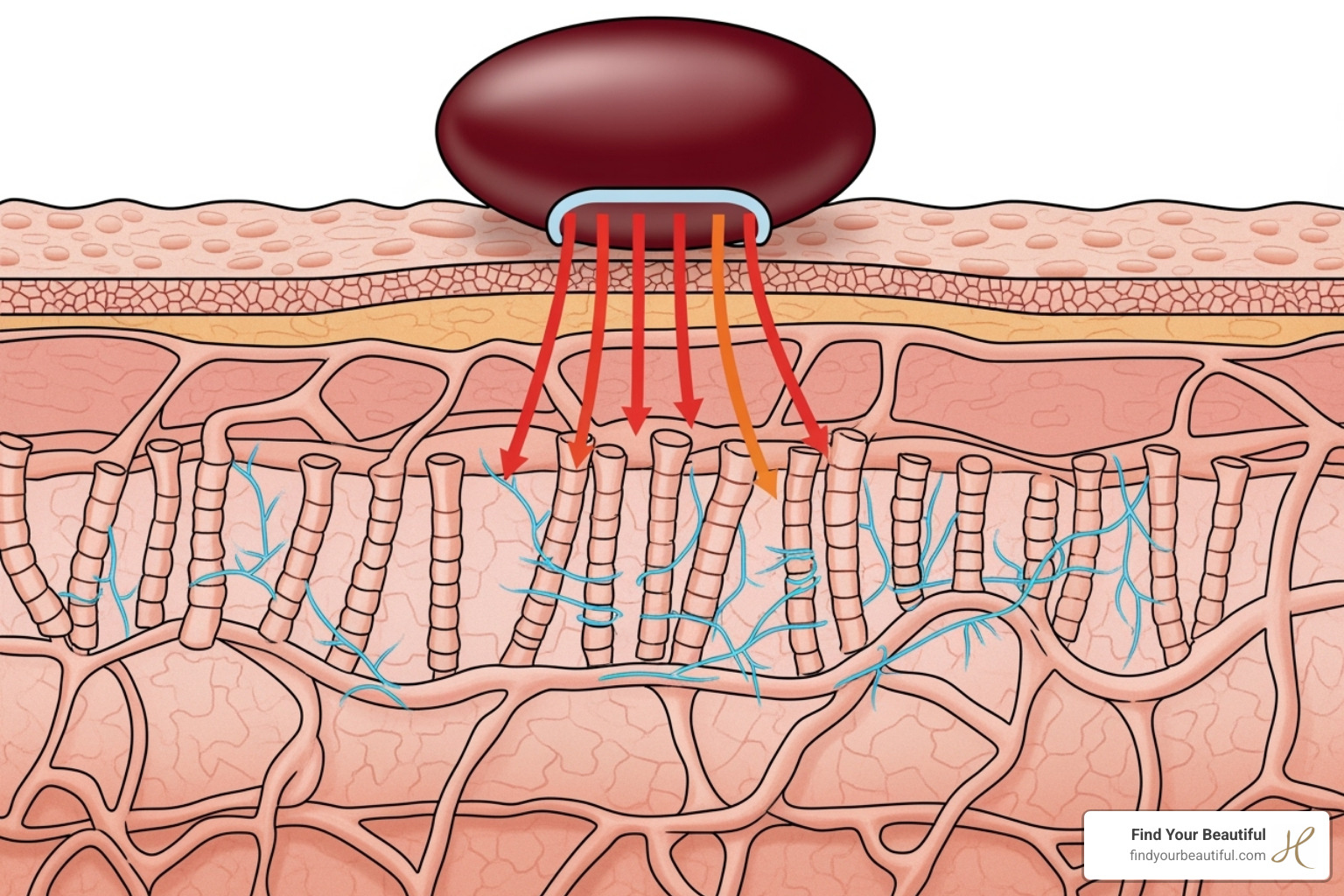
Professional procedures use advanced technology to deliver controlled thermal energy to the dermis, the skin layer where collagen and elastin reside. This heat triggers your body’s natural healing response, stimulating new collagen production (neocollagenesis). The result is gradually tighter, lifted skin. You can learn more on Non-Surgical Skin Tightening to see how these treatments work. The science of skin aging shows this collagen loss is what causes sagging, which these procedures directly address.
Types of Non-Surgical Skin Tightening
At our San Antonio practice, we customize treatment plans using the most effective technologies available.
- Radiofrequency (RF): Uses electrical energy to heat deep skin layers, contracting existing collagen and stimulating new growth. It’s safe for all skin tones. Does Radiofrequency Tighten Skin? Yes, making it a popular choice.
- Ultrasound: Uses focused sound waves to heat precise, deep layers of skin—the same foundational layer addressed in surgical facelifts, but without incisions. This stimulates robust collagen production for a firmer, more lifted look.
- Laser Treatments: Harness light energy to generate heat. Some lasers work on the surface, while others go deeper to stimulate collagen and elastin. The Role of Ultra Laser Treatments in Anti-Aging Skincare is significant for addressing multiple concerns at once.
- RF Microneedling: This dual-action treatment combines microneedling with RF energy. Fine needles deliver radiofrequency deep into the dermis, amplifying collagen stimulation for dramatic improvements in laxity and texture. Morpheus8 is a leading example, offering great results with minimal downtime.
Who is a Good Candidate for Professional Treatments?
The best candidates for these treatments typically have:
- Mild to moderate skin laxity that doesn’t respond to creams.
- Realistic expectations: Results are significant but gradual and natural-looking, not identical to a surgical facelift.
- Good overall health to ensure proper healing.
- A desire for noticeable results without the downtime and risks of surgery.
These procedures are also excellent for patients in their 30s and 40s taking a proactive approach to aging. A healthy lifestyle will further improve and prolong the results.
The Ultimate Showdown: Skin Tightening Cream vs Procedure
The skin tightening cream vs procedure question comes down to understanding your skin’s needs and your desired results. Let’s break down the core differences to help you decide.
| Factor | Skin Tightening Creams | Professional Procedures |
|---|---|---|
| Effectiveness | Subtle, temporary plumping, minor texture improvement | Modest to significant lifting and tightening, structural change |
| Best For | Early prevention, minimal fine lines, hydration, maintenance | Mild to moderate skin laxity, visible sagging, deeper wrinkles |
| Cost | Low initial cost, ongoing monthly expense | Higher upfront, less frequent treatments |
| Downtime | None, possible mild irritation | Minimal to none (non-invasive), 1-7 days (minimally invasive) |
| Result Duration | Temporary, requires daily application | 1-3 years (non-surgical), 5-10 years (surgical) |
Effectiveness and Results: A Core Comparison of Skin Tightening Cream vs Procedure
Creams work on the surface. They hydrate, temporarily plump fine lines, and can improve texture over time. However, they cannot physically lift sagging skin or restructure the underlying collagen and elastin.
Procedures work deep in the dermis. They use energy (radiofrequency, ultrasound, laser) to trigger your body’s healing response, stimulating new collagen for real structural change. This results in a 20-30% improvement in skin laxity, with firmer skin and better definition appearing gradually over 2-6 months for a natural look.
Downtime and Side Effects
Creams have virtually no downtime, though some active ingredients may cause mild irritation.
Professional procedures have minimal downtime. Non-invasive treatments may cause temporary redness or swelling for a few hours to a couple of days. More intensive options like RF microneedling may require 1-3 days for redness to subside. When done by a qualified provider, there is a very low risk of adverse effects.
Cost and Long-Term Investment
Creams have a low initial cost ($20-$100+ per month) but require continuous repurchase, adding up over time for only temporary benefits.
Procedures have a higher upfront investment ($850-$3,000+ per session) but deliver lasting results for 1-3 years. Over time, this can be a more effective investment in structural improvement. Many practices, including ours, offer financing options.
Who is the Right Candidate? A Guide to Skin Tightening Cream vs Procedure
Creams are best for:
- Prevention in your 20s and 30s.
- Addressing minimal fine lines and texture.
- Maintaining results after a procedure.
Procedures are the right choice for:
- Mild to moderate skin laxity (jowls, neck sagging).
- A desire for tangible, long-lasting lifting and firming.
At our San Antonio clinic, we provide honest assessments to help you choose the right path, whether it’s a cream, a procedure, or a combination of both.
Beyond the Basics: Advanced Treatments and Surgical Options
Sometimes, the best results come from combining therapies or considering surgical solutions for more advanced needs. As your skin ages, your aesthetic plan may need to evolve.
Combining therapies, such as pairing Morpheus8 with laser treatments, can address both laxity and texture simultaneously for improved results. However, for patients with severe skin laxity (significant jowls or a “turkey neck”), non-surgical options may not be enough. In these cases, surgery may be the most effective path. Learn more about Facial Rejuvenation: Surgical vs. Non-Surgical Facelift Techniques Compared.
Can Creams and Procedures Work Together?
Absolutely. We strongly encourage using creams alongside professional procedures. Think of procedures as building a strong foundation and your at-home skincare as the maintenance that protects your investment.
A good skincare routine helps procedure results last longer and look better. Key components include:
- Sunscreen: Daily use of broad-spectrum SPF 30+ is critical to protect new collagen from UV damage.
- Hydrating Ingredients: Hyaluronic acid keeps skin plump and supple, supporting a healthy appearance.
- Antioxidants: Vitamin C helps defend against environmental damage and supports collagen production post-treatment.
We create personalized at-home regimens to complement professional treatments, ensuring you get the most from your investment.
When to Consider Surgical Skin Tightening
While non-surgical methods are revolutionary, surgery is sometimes the best option. We will always be honest about what will achieve your desired results.
Consider surgery if you have significant sagging, such as deep jowls or a very loose neck, where non-surgical options would offer only minimal improvement. Surgical procedures like a facelift physically remove excess skin and reposition underlying tissues for a more dramatic, visible change.
Surgical results last longer (typically 5-10 years) but require significant downtime (2-4 weeks of initial recovery) and carry the inherent risks of surgery. As board-certified plastic surgeons, we can guide you through both non-surgical and surgical solutions to find the best path for your goals.
Frequently Asked Questions about Skin Tightening
Here are straightforward answers to the most common questions our San Antonio patients ask about skin tightening.
How long do results from non-surgical procedures last?
Results from non-surgical procedures appear gradually over 2 to 6 months as your body builds new collagen. The final outcome looks very natural. Depending on the technology used (RF, Ultrasound, etc.), results can last 1 to 3 years. Your individual longevity will depend on your aging process, lifestyle, and skincare. We typically recommend maintenance treatments every 12-24 months to prolong your results.
Can creams really build new collagen?
Yes, but with significant limitations. Ingredients like retinoids and peptides can stimulate modest collagen production over time. However, they cannot replicate the significant collagen remodeling triggered by professional procedures. Creams work on the skin’s surface, while procedures deliver energy deep into the dermis to fundamentally rebuild your skin’s structure. Creams are supportive, but they work on a completely different scale.
How do I choose a qualified provider for a skin tightening procedure?
Choosing the right provider is crucial for your safety and results. Here’s what to look for:
- Credentials: Choose a board-certified dermatologist or plastic surgeon. You can Find a board-certified dermatologist through official organizations.
- Medical Supervision: Ensure the facility is medically supervised, like our practice where board-certified plastic surgeons oversee all treatments.
- Experience: Ask about their experience with the specific technology and request to see before-and-after photos of their actual patients.
- Consultation: A qualified provider will offer a thorough consultation, assess your skin, discuss realistic outcomes, and explain all risks and benefits without pressure.
- Technology: Confirm they use FDA-cleared or approved devices.
Your Path to Firmer Skin
In the skin tightening cream vs procedure debate, the key is understanding that each has a distinct role. Creams are your daily support team—they hydrate, protect, and are excellent for prevention and maintenance. However, they lack the power to correct significant sagging.
Professional procedures are the solution for visible laxity. They work deep within the skin to trigger your body’s natural healing response, rebuilding collagen for structural changes that can last for years. The right choice depends on your goals, skin condition, and budget.
Many of our patients find success by combining professional treatments with a quality at-home skincare routine. This comprehensive approach delivers powerful initial results and helps maintain them long-term.
Making an informed decision with realistic expectations is what matters most. A professional consultation is essential to determine the best path for you. At our Stone Oak Parkway location in San Antonio, the expert team at Find Your Beautiful will create a personalized plan to help you achieve your aesthetic goals with honesty and care.
Ready to take the next step toward firmer, more youthful skin? Explore advanced RF Microneedling services today! Let’s work together to help you find your beautiful.
