Why the FDA Warning Renuvion Matters for Your Safety
The fda warning renuvion issued in March 2022 sent shockwaves through the cosmetic surgery world. Here’s what you need to know:
Key Points About the FDA Warning:
- March 2022: FDA warned against using Renuvion/J-Plasma for skin tightening and dermal resurfacing
- Reason: Serious adverse events including burns, nerve damage, and bleeding
- Current Status: Specific handpieces now have FDA clearance for certain aesthetic procedures
- Bottom Line: The device can be safe when used properly with FDA-cleared handpieces by qualified surgeons
The warning wasn’t a ban – it was a safety alert about off-label use of the device for procedures it wasn’t originally cleared for. Since then, the FDA has granted specific clearances for certain Renuvion handpieces in aesthetic procedures.
What prompted the warning? The FDA received reports of serious complications when the device was used for skin tightening procedures it wasn’t approved for. These included second and third-degree burns, infections, nerve damage, and even life-threatening air accumulation in blood vessels.
The good news? Today’s landscape looks very different. With proper FDA clearances in place and better understanding of the technology, Renuvion can be a safe option when performed correctly.
I’m Dr. Thomas Jeneby, a board-certified plastic surgeon with over 20 years of experience and Joint Commission accreditation – the only plastic surgeon in San Antonio with this prestigious safety certification. Having performed thousands of procedures and closely followed the fda warning renuvion developments, I’ve seen how proper training and FDA-cleared applications make all the difference in patient safety. My practice has adapted to ensure we only use FDA-cleared handpieces for their specific approved indications.
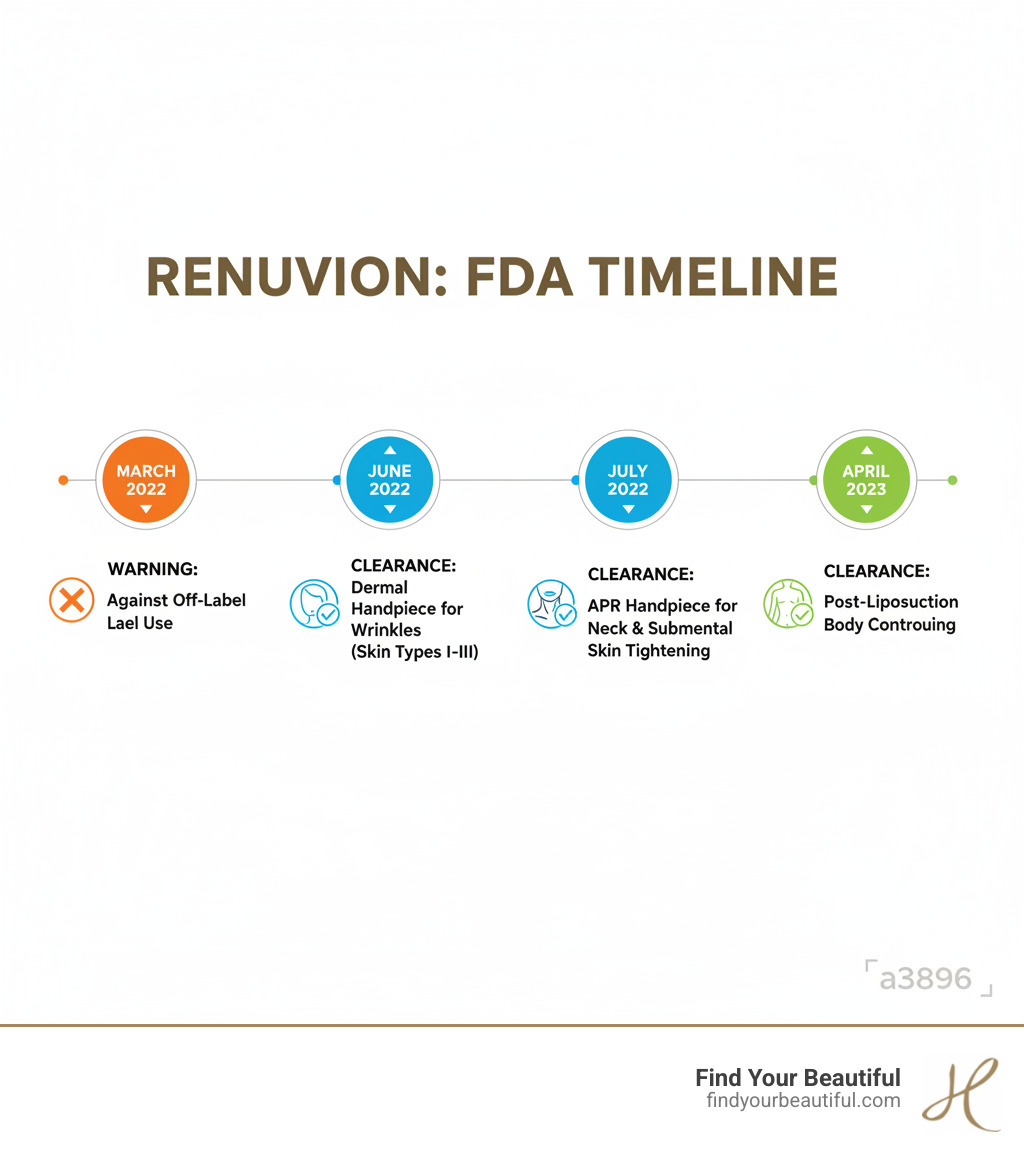
Know your fda warning renuvion terms:
The Initial FDA Alert: Understanding the Concerns
Let’s get straight to what happened. In March 2022, the FDA issued a safety communication that caught everyone’s attention – and for good reason. They weren’t banning Renuvion outright, but they were raising a big red flag about how it was being used.
Here’s the thing: Renuvion had always been FDA cleared for general surgical use – cutting, coagulation, and tissue ablation during open and laparoscopic procedures. Think of it like a sophisticated surgical tool that surgeons could rely on for various operations.
But the problem wasn’t with what it was approved for. The issue was what it wasn’t approved for yet was still being used for: dermal resurfacing (treating wrinkles on the skin’s surface) and skin contraction procedures (tightening loose skin, often combined with liposuction).
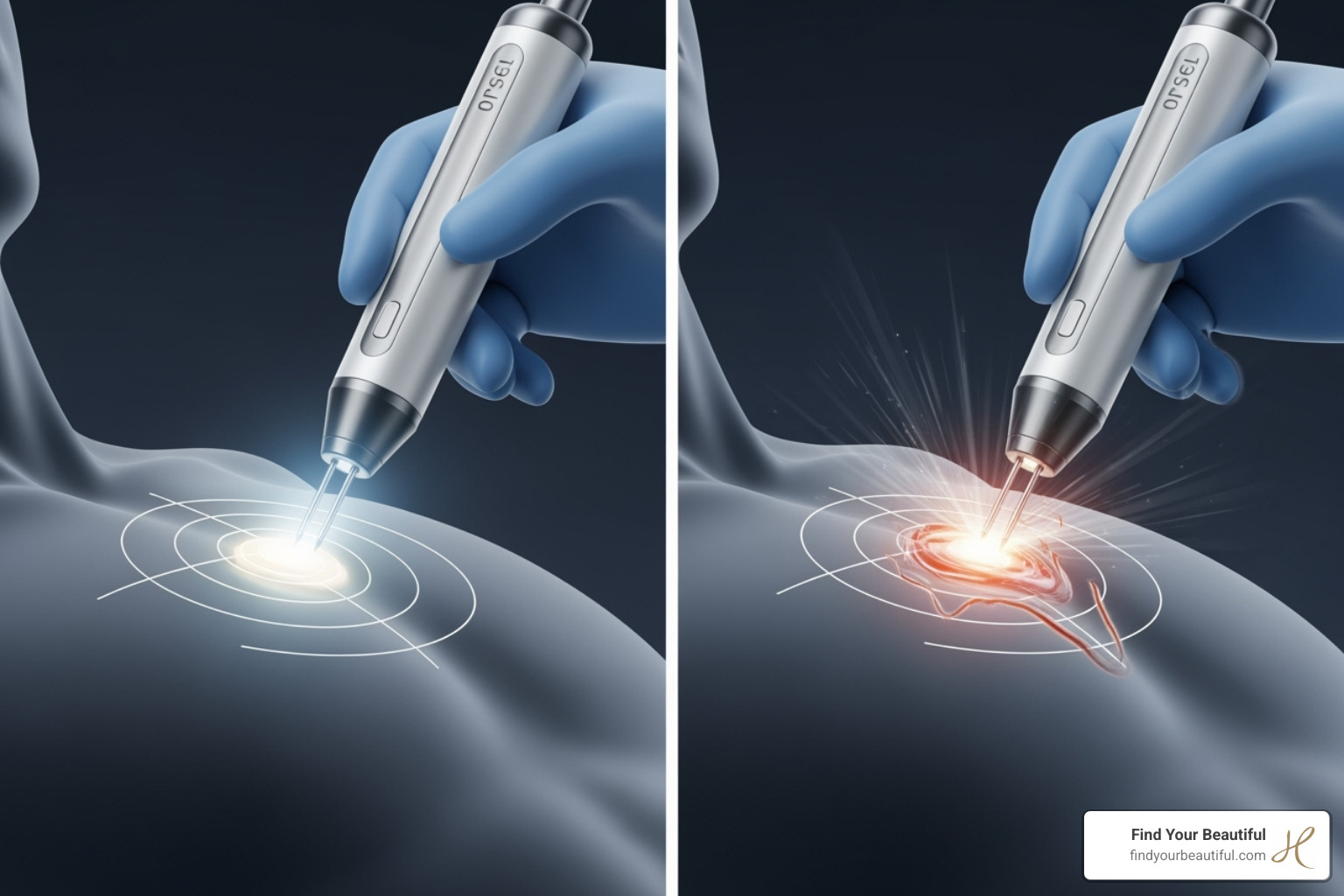
The fda warning renuvion was crystal clear: the safety and effectiveness for these aesthetic uses simply hadn’t been established yet. This meant practitioners were using the device “off-label” – and patients were paying the price with serious complications.
This warning was actually a protective measure for patients like you. It reminded everyone that just because a medical device exists doesn’t mean it’s automatically safe for every possible use. You can read the full details in the official FDA safety communication.
Serious Adverse Events Reported
The fda warning renuvion wasn’t issued on a whim – it came after real patients experienced serious, sometimes life-threatening complications. When the device was used for those unapproved aesthetic procedures, the results were often devastating.
Patients reported second- and third-degree burns that required extensive medical treatment and left permanent scarring. Others developed infections at treatment sites, while some experienced nerve damage that caused chronic numbness, tingling, or pain.
Significant bleeding beyond what’s normal for cosmetic procedures was another major concern. Perhaps most frightening was the air or gas accumulation – sometimes called embolism – where gas built up under the skin, in body cavities, or even in blood vessels. Some of these cases were so severe they required ICU admission.
These weren’t minor side effects or typical healing issues. These were serious medical emergencies that could have been avoided with proper FDA clearance and appropriate use of the technology.
What is ‘Off-Label’ Use?
Here’s something that might surprise you: off-label use is actually quite common in medicine and often perfectly acceptable. It simply means using an FDA-cleared device or approved medication for something other than its specifically approved purpose.
Your doctor has the legal right to use their medical judgment to prescribe or use treatments off-label if they believe it’s in your best interest. For example, BOTOX® was originally developed for muscle spasms but is now widely used off-label for cosmetic purposes beyond its original FDA approvals.
The key difference with the initial Renuvion situation was that the safety and effectiveness hadn’t been established for those aesthetic uses. While doctors could legally use it off-label, there wasn’t enough evidence to show it was safe or effective for skin tightening and resurfacing.
When we consider any off-label treatment, it requires extra care, thorough patient education, and detailed informed consent. You deserve to know exactly what you’re signing up for, including any additional risks that come with off-label use.
You can learn more about this important concept through the FDA’s guide on understanding off-label use of medical devices.
An Evolving Landscape: Subsequent FDA Clearances for Renuvion
Here’s where the story gets much more encouraging. The fda warning renuvion issued in March 2022 wasn’t the end of the road – it was actually the beginning of a more thorough, safety-focused approach to aesthetic applications of this technology.
Apyx Medical didn’t just sit back after the warning. Instead, they rolled up their sleeves and got to work providing the FDA with the specific safety and effectiveness data needed for aesthetic procedures. The result? Multiple FDA clearances that have transformed what was once considered risky “off-label” use into approved, regulated treatments.
This evolution is exactly how medical advancement should work. When concerns arise, responsible manufacturers respond with research, data, and improved safety protocols. Today’s Renuvion landscape looks dramatically different than it did in early 2022, and that’s great news for patients seeking safe, effective skin tightening options.
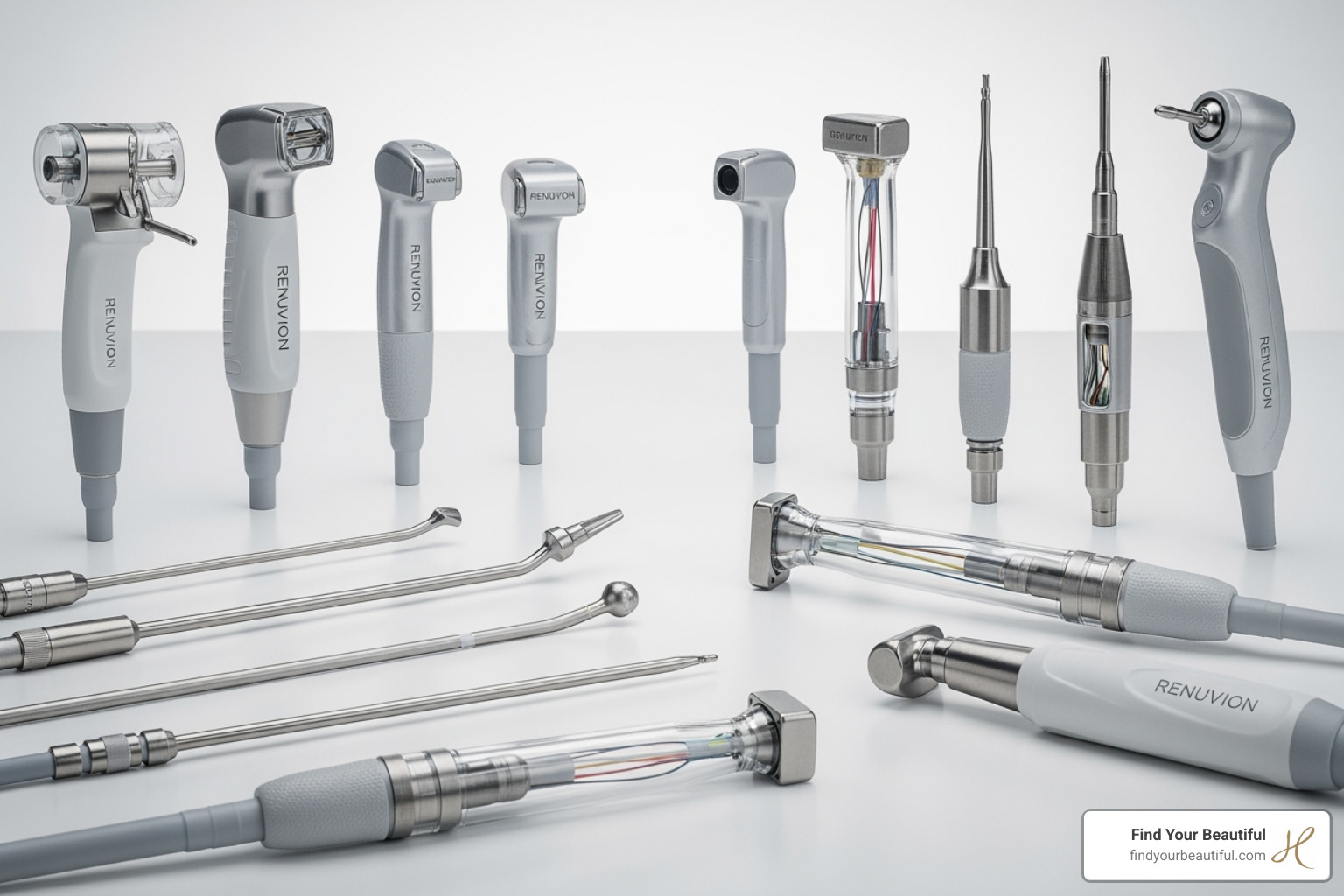
At Find Your Beautiful, we’ve been following these developments closely. It means we can now offer specific Renuvion treatments with confidence, knowing they have full FDA backing for their intended uses. No more gray areas or uncertainty – just clear, approved applications that prioritize your safety.
The Renuvion Dermal Handpiece for Wrinkles
Just three months after the initial warning, the FDA granted its first aesthetic clearance for Renuvion in June 2022. The Renuvion Dermal Handpiece received approval for treating moderate to severe wrinkles and rhytides – but with an important caveat.
This clearance comes with specific patient criteria. The FDA approved this handpiece only for patients with Fitzpatrick Skin Types I, II, or III. If you’re not familiar with this classification system, it essentially describes how your skin reacts to sun exposure, with Types I-III representing lighter skin tones that tend to burn more easily.
Why this limitation? The FDA requires proof of safety and effectiveness for each skin type, and the data submitted focused on these specific populations. It doesn’t mean the device is unsafe for other skin types – it simply means the necessary studies haven’t been completed yet for darker skin tones.
This precision in FDA clearances is actually reassuring. Rather than making broad claims, the agency ensures that each approved use is backed by solid clinical evidence. When you’re considering treatment for facial wrinkles, we can discuss whether this FDA-cleared option aligns with your skin type and aesthetic goals.
To see the kind of transformative results possible with advanced skin resurfacing techniques, check out our Skin Resurfacing Gallery.
The Renuvion APR Handpiece for Neck & Body
The momentum continued with even more significant clearances for the Renuvion APR Handpiece, addressing some of the most common concerns patients bring to our practice.
In July 2022, the FDA cleared this handpiece for subcutaneous procedures to improve loose skin in the neck and submental region (that’s the area under your chin). This was huge news for anyone dealing with the dreaded “turkey neck” or double chin concerns that diet and exercise simply can’t fix.
But the really exciting development came in April 2023, when the FDA granted clearance for using the Renuvion APR Handpiece for coagulation of soft tissues following liposuction for aesthetic body contouring. This addresses one of the biggest limitations of traditional liposuction – what to do about loose skin after fat removal.
Think of it this way: liposuction removes the fat, but sometimes leaves you with skin that doesn’t quite snap back to its new, smaller contours. The Renuvion APR Handpiece can now be used during the same procedure to help tighten that skin, giving you smoother, more natural-looking results.
These clearances represent a complete change from the cautionary fda warning renuvion to evidence-based, FDA-approved applications. We can now offer these treatments knowing they meet the highest safety and effectiveness standards.
If you’re curious about how Renuvion might work as part of your body contouring journey, especially combined with liposuction, learn more about our Renuvion J Plasma services.
Putting Risk into Perspective: Renuvion by the Numbers
When we talk about medical procedures, understanding the actual risks involved is paramount. The initial fda warning renuvion raised valid concerns, but it’s equally important to examine the statistical context of Renuvion’s safety profile, particularly in light of its newly cleared aesthetic uses.
Let’s be honest – numbers can tell different stories depending on how you look at them. According to Apyx Medical, the manufacturer, the reported complication rate of Renuvion was 0.04% in both 2020 and 2021. That’s less than one complication for every 2,000 procedures. However, the manufacturer noted that as more procedures were performed, the number of reported adverse events increased proportionally – which makes sense when you think about it.
To put this in perspective, let’s compare it to other cosmetic procedures you might be considering. Cosmetic liposuction carries a complication rate of around 0.7%, while rhinoplasty sits at about 0.58%, and facelifts come in at around 1.8%. Based on these manufacturer-reported numbers, Renuvion appears to have a relatively low complication rate – more than ten times lower than traditional liposuction.
But here’s where it gets interesting. A detailed retrospective review involving 180 patients painted a different picture, finding that 13.3% of patients experienced some form of complication. Before you panic, this study likely captured a much broader range of issues, including minor complications that might not get reported to regulatory bodies.

This difference highlights something crucial: the importance of understanding what we mean by “complications” and ensuring you’re getting the full picture from your surgeon. At Find Your Beautiful, we believe in complete transparency about what you might expect.
Key Findings from Clinical Studies
The retrospective study revealed some fascinating insights that help us understand who might be at higher risk and how technique affects outcomes.
Patient selection turned out to be absolutely critical. The study found that patients with a BMI over 32 had a significantly higher complication rate of 24% – that’s nearly one in four patients. Similarly, patients with hypertension also faced liftd risks. This isn’t meant to exclude anyone from treatment, but rather to ensure we’re having honest conversations about individual risk factors during consultation.
The technical aspects matter tremendously too. Researchers finded that higher helium flow rates above 2 L/min were associated with more complications. This finding reinforces why choosing an experienced surgeon who understands the nuances of the technology is so important – it’s not just about having the device, but knowing how to use it optimally.
The most common complications observed were actually quite manageable. Postoperative lymphedema occurred in about 5% of patients – essentially swelling that requires attention but typically resolves. Persistent skin laxity affected 3.3% of patients, meaning the desired tightening wasn’t fully achieved. Seromas (fluid pockets) and hematomas (blood collections) occurred in 2.2% and 1.6% of cases respectively.
More concerning but less common were localized burns in 0.5% of cases and self-limited neuralgia (nerve pain that resolves on its own) in another 0.5%. These numbers help us understand that while serious complications can occur, they’re relatively uncommon when the procedure is performed correctly.
These findings give us a complete picture beyond the initial fda warning renuvion concerns. They help us better prepare patients for what to expect and continuously refine our techniques for optimal safety.
If you’re exploring different approaches to skin tightening, it’s worth understanding all your options. You can learn more about https://findyourbeautiful.com/blog/non-surgical-skin-tightening/ to see how various treatments compare.
Your Guide to a Safe Procedure: Patient & Provider Responsibilities
When it comes to the fda warning renuvion and subsequent clearances, knowledge truly is power. At Find Your Beautiful, we believe that the safest procedure is one where both patient and provider are fully informed and working together toward the best possible outcome.
Think of it this way: choosing a cosmetic procedure is like buying a house. You wouldn’t sign papers without asking about the foundation, the neighborhood, and the seller’s track record, right? The same careful approach should guide your decision about Renuvion treatments.
The relationship between patient and provider is a partnership. Your provider brings medical expertise and technical skill, while you bring important information about your health history, concerns, and goals. When both sides fulfill their responsibilities, the result is a safer, more successful experience.
Questions Every Patient Should Ask
During your consultation, don’t hold back on questions. A reputable provider will welcome your curiosity and take time to address every concern. Here’s what you should definitely ask:
About your provider’s qualifications: Start with the basics – what’s their experience with Renuvion specifically? How many procedures have they performed? Are they board-certified? At Find Your Beautiful, our surgeons are board-certified and have extensive training with advanced technologies like Renuvion.
About the specific device: Which Renuvion handpiece will be used for your procedure? This isn’t just technical details – it’s crucial safety information. Is its use FDA-cleared for your specific concern and skin type? The dermal handpiece is only cleared for certain Fitzpatrick skin types, while the APR handpiece has different approved uses.
About your personal risk profile: What are your individual risks based on your health history and body type? Factors like BMI over 32 or hypertension can increase complication rates. A thorough provider will review your medical history and discuss how it might affect your procedure and recovery.
About expectations and alternatives: What are the realistic benefits and potential risks? What other options do you have? An honest provider will discuss all possibilities, not just push one treatment.
About safety protocols: How will risks be minimized during your procedure? What’s the plan if complications arise? What kind of post-procedure care and follow-up should you expect?

Any provider who seems rushed or annoyed by your questions isn’t a right fit. The best surgeons understand that informed patients make better decisions and have better outcomes.
FDA Recommendations for Patients and Providers
The FDA’s guidance following the fda warning renuvion creates a roadmap for safe practice. These aren’t just suggestions – they’re based on real-world experiences and adverse event reports.
What patients should do: Have that thorough discussion about benefits and risks with your provider. Don’t be shy about asking which specific devices will be used and whether they’re FDA-cleared for your particular concern. If something doesn’t feel right after your procedure, seek care immediately from a licensed provider. Your health is too important to “wait and see” if concerning symptoms will resolve on their own.
The FDA also encourages patients to report any problems or complications through their MedWatch program. Your experience could help protect future patients. You can report a problem to the FDA’s MedWatch program easily online.
What providers should do: We take our responsibilities seriously at Find Your Beautiful. This means using Renuvion only according to its specific FDA clearances for each handpiece. We make sure our patients understand exactly which devices we plan to use and why they’re appropriate for their specific concerns.
We carefully review all labeling and user manuals to ensure proper technique and settings – remember, that study showed higher complication rates with improper helium flow rates. We also commit to reporting any adverse events to the FDA, because transparency helps improve safety for everyone.
The informed consent process is where all of this comes together. It’s not just a form to sign – it’s a meaningful conversation about your goals, the proposed treatment, realistic expectations, and potential risks. We discuss your alternatives, answer your questions, and make sure you feel confident in your decision.
This collaborative approach, guided by FDA recommendations and our commitment to excellence, helps ensure that your Renuvion experience is both safe and successful.
Frequently Asked Questions About the FDA Warning for Renuvion
We get it – all this talk about warnings, clearances, and handpieces can feel overwhelming. Let’s break down the most common questions we hear about the fda warning renuvion in simple terms.
What was the primary fda warning renuvion issued in 2022?
The fda warning renuvion issued in March 2022 was essentially the FDA saying “pump the brakes” on using Renuvion for aesthetic procedures. Here’s what happened: doctors were using the device to tighten skin and resurface wrinkles, but these uses weren’t officially FDA-cleared yet. The device was only approved for general surgery stuff – cutting and cauterizing tissue during operations.
The FDA got worried because they started receiving reports of some pretty serious problems. We’re talking second and third-degree burns, infections, nerve damage, and even life-threatening air bubbles in blood vessels. The agency basically said, “Look, we haven’t seen enough data to prove this is safe and effective for making skin look better, and people are getting hurt.”
It wasn’t that the device was inherently dangerous – it was that it was being used for purposes it hadn’t been properly tested and cleared for yet.
Is Renuvion banned by the FDA?
Absolutely not! This is probably the biggest misconception we hear. Renuvion is not banned – it never was. Think of it this way: the FDA didn’t take the device away, they just wanted to make sure it was being used properly.
Renuvion was always cleared for surgical use, and it still is today. What’s changed since that 2022 warning is that specific handpieces now have FDA clearance for specific aesthetic procedures. The Renuvion Dermal Handpiece can treat moderate to severe wrinkles (but only on certain skin types), and the APR Handpiece is cleared for tightening loose skin in the neck area and for use after liposuction.
It’s like having a powerful tool that’s great for many jobs, but the FDA wanted to make sure we had the right attachments and instructions for each specific task. That’s exactly what happened.
How does the fda warning renuvion impact my decision today?
The fda warning renuvion should actually make you feel more confident about your decision – if you do your homework. Here’s why: it highlights exactly what you need to look for to ensure a safe procedure.
First, make sure your procedure uses an FDA-cleared handpiece for your specific concern. Want to treat wrinkles? The Dermal Handpiece needs to be used, and it’s only cleared for certain skin types. Getting skin tightening after lipo? The APR Handpiece is what you want.
Second, choose your surgeon wisely. The warning underscores how crucial it is to work with a board-certified surgeon who truly understands the device, its proper applications, and its risks. At Find Your Beautiful, our board-certified surgeons stay current with all FDA clearances and use these technologies exactly as they’re intended.
Think of the warning as a helpful reminder that with great technology comes great responsibility. When used properly by qualified professionals with the right clearances, Renuvion can be an excellent option for achieving your aesthetic goals safely.
The key is asking the right questions, understanding what you’re getting, and choosing a provider you trust completely.
Conclusion: Making a Confident and Informed Choice
The story of the fda warning renuvion is really a story about medical progress and patient safety working hand in hand. What started as a concerning warning in March 2022 has evolved into a much clearer picture of how this innovative technology can be used safely and effectively.
The initial FDA warning wasn’t meant to scare people away from Renuvion forever. Instead, it was a crucial wake-up call that highlighted the importance of using medical devices only for their approved purposes. Think of it like this: just because a sports car is an amazing vehicle doesn’t mean you should drive it off-road without proper modifications and safety equipment.
Today’s landscape looks dramatically different. With specific FDA clearances now in place for the Renuvion Dermal Handpiece (for treating wrinkles in certain skin types) and the Renuvion APR Handpiece (for neck and body skin tightening, especially after liposuction), we have clear guidelines on when and how this technology can be used safely.
This evolution demonstrates something beautiful about modern medicine: when concerns arise, the system responds. Manufacturers work harder to prove safety and effectiveness. The FDA maintains its rigorous standards. And practices like ours adapt to ensure we’re always operating within the safest possible parameters.
At Find Your Beautiful in San Antonio, this journey has reinforced our commitment to staying at the forefront of both innovation and safety. Our board-certified surgeons don’t just follow FDA guidelines – we accept them as the foundation of excellent patient care. We’ve invested in proper training, use only FDA-cleared handpieces for their specific approved indications, and maintain transparent communication with every patient about what’s possible and what’s not.
The bottom line is this: Renuvion can be a remarkably safe and effective option when used correctly. The key word there is “correctly” – with the right handpiece, for the right indication, by the right surgeon, on the right patient.
Your role as a patient is equally important. Come prepared with questions. Understand your skin type and specific concerns. Make sure your provider is board-certified and experienced with Renuvion. Don’t be afraid to ask about FDA clearances and how they apply to your situation.
When all these pieces come together – proper FDA clearances, expert surgical skill, appropriate patient selection, and informed consent – Renuvion can help you achieve the natural, beautiful results you’re looking for.
The fda warning renuvion taught us all valuable lessons about the importance of evidence-based medicine and patient safety. Today, armed with better knowledge and clearer guidelines, we can confidently offer this technology to appropriate candidates.
Ready to learn more about how Renuvion might fit into your aesthetic goals? Explore our comprehensive Renuvion services to find how our expert team can help you make a confident and informed choice on your journey to finding your beautiful.