Understanding Your Liposuction Recovery Journey
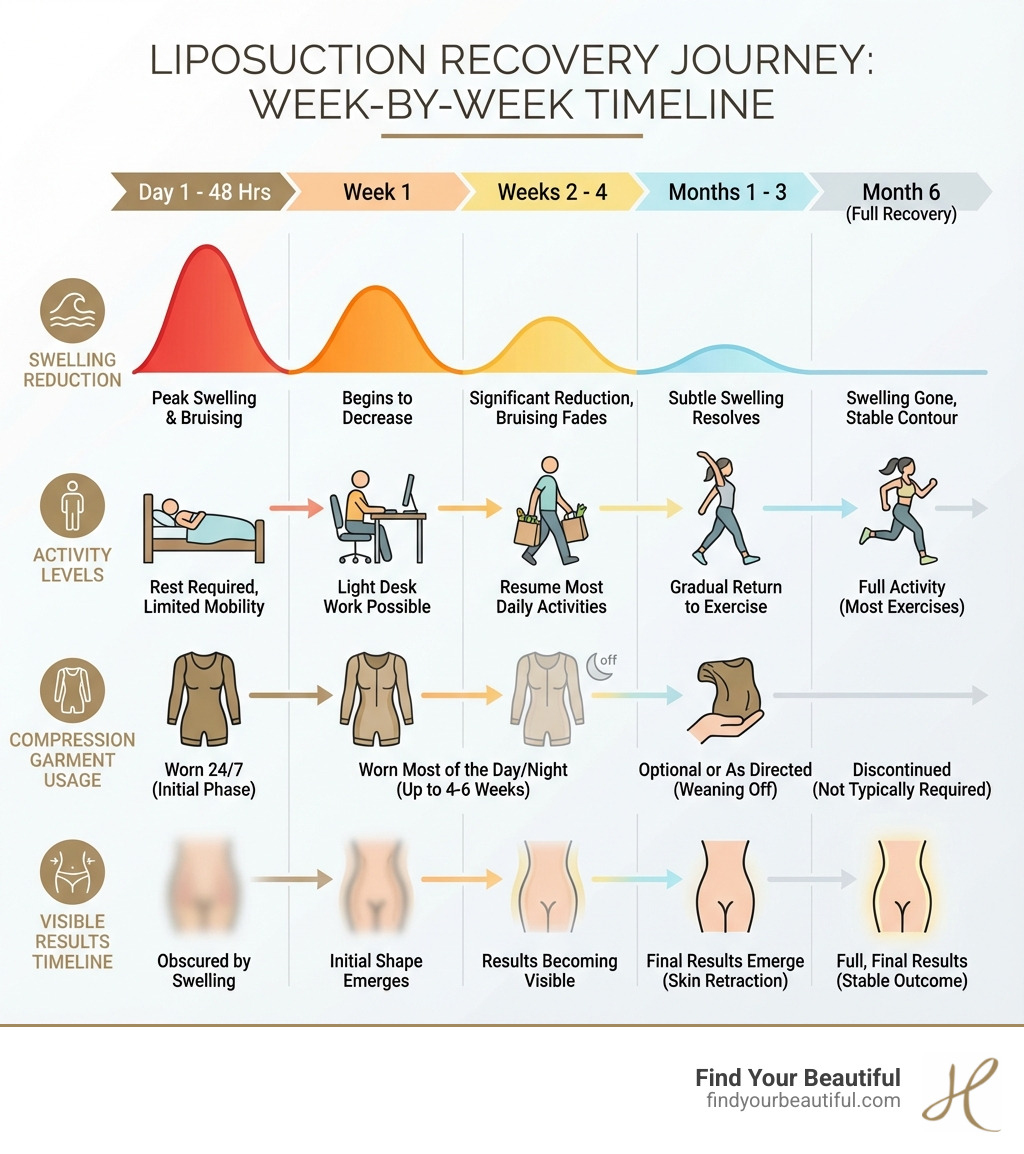
Liposuction recovery time varies by individual, but most patients follow a predictable healing timeline. Here’s what you can expect:
Quick Recovery Timeline:
- First 48 Hours: Peak swelling and bruising, limited mobility, rest required
- Week 1: Return to desk work possible, swelling begins to decrease
- Weeks 2-4: Resume most daily activities, bruising fades significantly
- Months 1-3: Final results emerge as swelling resolves completely
- Full Recovery: 4-6 weeks for most activities, 3+ months for final results
After your liposuction procedure, you’ll experience varying degrees of swelling, bruising, and discomfort. The first few days require rest and elevation, while compression garments worn for 4-6 weeks help minimize swelling and support your new contours. Most patients return to light work within a few days, but strenuous activities should wait 4-6 weeks.
Understanding what happens during recovery helps you plan ahead and know what’s normal versus concerning. The healing process is gradual—while you might feel ready to resume activities quickly, your body needs time to properly heal and reveal your final results.
I’m Dr. Thomas Jeneby, a board-certified plastic surgeon who has been performing liposuction procedures since 2002 in San Antonio. Over my 19+ years of practice, I’ve guided thousands of patients through their liposuction recovery time, helping them understand each phase of healing while achieving their aesthetic goals safely. My commitment to patient education and safety ensures you’ll have realistic expectations and the support you need throughout your recovery journey.
Simple guide to liposuction recovery time:
- 360 lipo (360-degree liposuction)
- how much weight can you lose with liposuction
- liposuction on thighs and hips
The Complete Liposuction Recovery Time Timeline: A Week-by-Week Guide
This section breaks down the healing process into manageable phases, helping you understand what to expect as your body recovers and your new contours take shape.
The First 48 Hours: Rest and Initial Healing
The moment you wake up after your liposuction procedure, you’ll likely feel a mix of grogginess from the anesthesia and immediate sensations in the treated areas. These immediate effects typically include soreness, discomfort, and a feeling of tightness. It’s common to have dressings and bandages applied to the treated areas, and in some cases, small drains may be placed to collect excess fluid.
This initial 48-hour period is crucial for setting the stage for a smooth liposuction recovery time. You can expect varying degrees of swelling and bruising, which often peak around 48 hours after surgery. While discomfort will be present, it can be effectively managed with prescribed pain medication. Our priority during this time is your rest and comfort. We’ll encourage you to keep the treated body part liftd if possible and to avoid straining, bending over, or lifting. You might also notice some fluid drainage from your incision sites, which is normal and usually subsides within a few days. The support of a caregiver during these first two days is invaluable, as you’ll have limited mobility and will need assistance with daily tasks. For more detailed information on your post-operative care, you can refer to liposuction recovery details from the American Society of Plastic Surgeons.
Week 1: Turning a Corner
As you move beyond the initial 48 hours, you’ll start to turn a corner in your liposuction recovery time. While bruising may still be quite visible, and some swelling persists, you should notice a gradual decrease in discomfort. This is often the point where many patients begin to feel a bit more like themselves.
During the first week, short, gentle walks are highly encouraged. These brief strolls around the house are vital for stimulating blood circulation, which helps reduce the risk of blood clots and discourages excessive swelling. However, avoid any strenuous activities or heavy lifting. Most patients find they can return to a desk job or light work within a few days to a week, depending on the extent of their procedure and their individual healing pace. If your job is more physically demanding, you might need a bit more time off. Listening to your body is key. If you’re considering any cosmetic surgery, understanding the recovery process is crucial, and you can find more info about what to expect after cosmetic surgery.
Weeks 2-4: Resuming Normalcy
By weeks two to four, you’ll likely feel significantly better, and the visible signs of surgery will continue to diminish. Bruising should fade significantly, often disappearing completely within this timeframe. While the majority of swelling will have subsided, some residual swelling might still be present, though it’s usually less noticeable. You might also experience numbness or tingling sensations in the treated areas, which are common and typically resolve over time.
This period marks a significant step towards resuming your normal daily activities. Most patients can return to their regular routines, and with your surgeon’s approval, you can gradually reintroduce light exercise. This might include longer walks, stationary cycling, or other low-impact activities. We still advise against strenuous exercise, heavy lifting, or activities that put excessive strain on your body. Continued adherence to wearing your compression garment is crucial during this phase to support your healing tissues and optimize your results.
Month 1-3: Seeing Your New Shape Emerge
This is an exciting phase in your liposuction recovery time, as your new contours truly begin to emerge. By month one, significant swelling will have reduced, allowing you to see a clearer picture of your new shape. However, it’s important to manage your expectations – the final results are still refining.
Over the next two months, residual swelling will continue to dissipate, and your skin will gradually tighten to conform to your new body shape. The timeframe for seeing the actual, final results of your liposuction can range from one to three months, depending on the amount of fat removed and your body’s natural healing process. Your incision sites, which were carefully placed in inconspicuous areas, will also begin to fade and become less noticeable. This is a time when many of our patients feel a significant boost in confidence as they witness the transformative effects of their procedure. For a broader understanding of the procedure, you can consult general information on Liposuction from Cleveland Clinic.

Month 3 and Beyond: Long-Term Healing
Congratulations! By three months post-procedure, you’ve reached a significant milestone in your liposuction recovery time. Most, if not all, residual swelling should have fully resolved, and your final, stable results will be clearly visible. Your body will have settled into its new contours, showcasing the full aesthetic benefits of your liposuction.
At this point, any scars from the small incisions will have matured further, becoming much less noticeable. With your surgeon’s clearance, you can typically return to all physical activities, including strenuous exercise and high-impact sports. This long-term phase is about enjoying your results and maintaining them through a healthy lifestyle. While the removed fat cells are gone for good, remaining fat cells can still enlarge if you gain a significant amount of weight. We’ll discuss strategies for long-term maintenance to ensure your beautiful results last for years to come.
Managing Your Recovery: Essential Aftercare and Activity Guidelines
Following your surgeon’s instructions is crucial for a smooth recovery and optimal results. This section covers the key aspects of your aftercare routine.
The Role of Compression Garments
Compression garments are arguably one of the most vital components of a successful liposuction recovery time. Think of them as your body’s best friend during the healing process. These specialized garments are designed to apply consistent, even pressure to the treated areas.
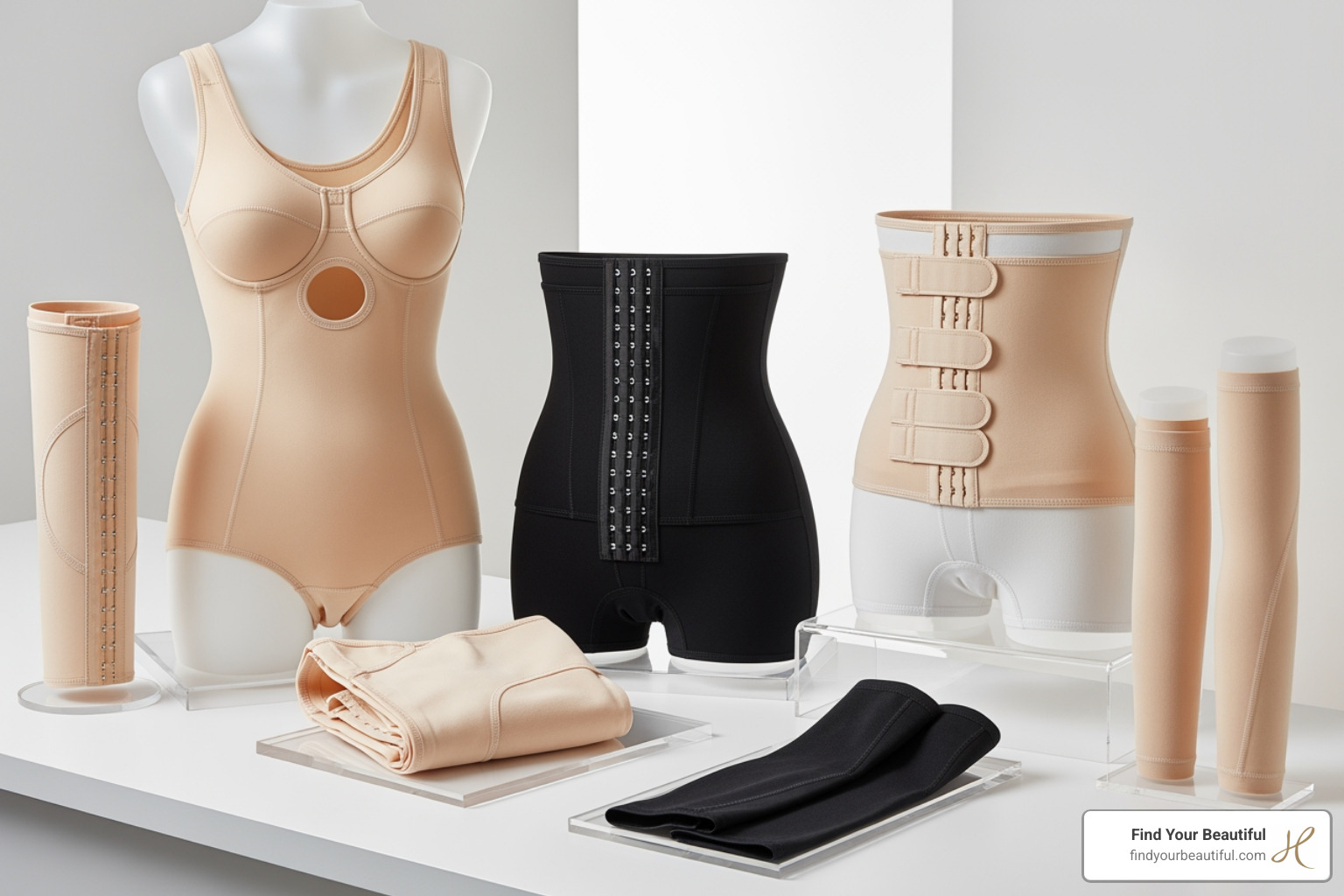
Here’s why they’re so important:
- Reduces Swelling and Bruising: The continuous pressure helps to minimize fluid accumulation and compress blood vessels, significantly reducing post-operative swelling and bruising. Without them, swelling can be more pronounced and prolonged.
- Supports Healing Tissues: The garment provides support to the newly contoured areas, holding tissues in place as they heal and preventing fluid pockets from forming.
- Helps Skin Conform to New Contours: By gently compressing the skin against the underlying muscle, compression garments encourage the skin to retract and adapt to its new, leaner shape, optimizing your final results.
- Typical Duration of Wear: While individual instructions may vary, you’ll generally be advised to wear your compression garment consistently for 4 to 6 weeks after your procedure. For the initial period, this often means wearing it 24/7, only removing it for showering. Your surgeon will provide specific guidance custom to your recovery needs.
Caring for Your Incision Sites
Proper incision care is essential to prevent infection and minimize scarring during your liposuction recovery time. Our surgeons use meticulous techniques to make small incisions, strategically placed to be as inconspicuous as possible.
Here’s how to care for them:
- Cleaning: You’ll receive specific instructions on how to gently clean your incision sites. This typically involves mild soap and water, avoiding harsh scrubbing.
- Keeping the Area Dry: After cleaning, it’s crucial to thoroughly pat the area dry. Moisture can create an environment conducive to bacterial growth.
- Applying Prescribed Ointments: If prescribed, apply any antibiotic ointments or creams as directed by your surgeon. These help protect against infection.
- Monitoring for Signs of Infection: Keep a close eye on your incisions for any warning signs such as increased redness, warmth, swelling, pus-like drainage, or fever. These warrant immediate medical attention.
- Scar Minimization Techniques and Treatments: Once your incisions have healed sufficiently, we’ll discuss scar minimization strategies. This might include silicone tapes or topical ointments. Liposuction scars can take anywhere from six months to a year to fade completely, but consistent care can significantly improve their appearance.
Returning to Exercise and Daily Life
The journey back to your full activity level is a gradual one during your liposuction recovery time. We emphasize a progressive approach to ensure optimal healing and prevent complications.
Here’s a general guide:
- First Few Days: Focus on rest. Gentle, short walks around the house are encouraged to promote circulation and prevent blood clots. Avoid straining, bending, and lifting.
- Week 1: Most patients can return to light, non-strenuous work, such as a desk job. Continue with light walking.
- Weeks 2-3: You can typically resume most normal daily activities. Light exercise, like longer walks or stationary cycling, may be approved by your surgeon. Avoid strenuous activities, heavy lifting, bicycle riding, jogging, or weight lifting.
- Weeks 4-6: You may gradually increase the intensity and duration of your workouts, but always with your surgeon’s explicit approval. Strenuous activities should still be approached with caution.
- Month 3 and Beyond: With your surgeon’s clearance, you can typically return to all forms of exercise, including high-impact activities.
Always listen to your body. If an activity causes pain or discomfort, stop immediately. Pushing yourself too hard, too soon, can increase swelling and bruising, potentially compromising your results.
Factors Influencing Your Recovery and Final Results
Every patient’s journey is unique. Several factors can influence the duration and experience of your recovery.
Understanding Your Individual Liposuction Recovery Time
While we provide general timelines, your personal liposuction recovery time is influenced by several individual factors:
- Age and Overall Health: Younger patients with good overall health often heal more quickly than older individuals or those with underlying health conditions.
- Skin Elasticity: Good skin elasticity is crucial for optimal results, as it allows the skin to contract smoothly over the newly contoured areas. Patients with poor skin elasticity may experience more loose skin post-procedure, which can affect the final aesthetic.
- Amount of Fat Removed: The greater the volume of fat removed, the more extensive the procedure, and potentially, the longer and more involved the recovery. Liposuction can remove up to 5 liters (approximately 10 pounds) of fat in an outpatient setting, which is a significant amount.
- Liposuction Technique Used: While our board-certified surgeons prioritize skill over specific technique, different methods like tumescent liposuction (which involves injecting a solution to numb the area and minimize bleeding) can influence the immediate post-operative experience. We perform a variety of liposuction techniques, and can discuss options like Smart Lipo San Antonio TX to ensure the best approach for you.
- Body Areas Treated: The location of the liposuction can also impact recovery. For instance, recovery for thigh liposuction may sometimes take longer than for other areas due to the skin’s nature and the extent of the treated area. However, liposuction can effectively treat many areas, including the abdomen, back, thighs, arms, and chin. You can learn more about specific treatment areas on our page: Body Areas That Can Be Treated With Liposuction.
When Will I See My Final Liposuction Results?
One of the most common questions we hear is, “When will I see the actual results of my liposuction procedure?” It’s important to manage your expectations: you probably won’t see your desired results right away. For a short while after surgery, you might even feel as though you’ve gained weight or look larger due to fluid retention and swelling. This can be a bit disheartening if you’re not prepared for it, but it’s a completely normal part of the healing process.
The role of swelling in obscuring initial results cannot be overstated. Swelling typically peaks around 48 hours after surgery and then gradually subsides. While it mostly disappears within two to three weeks, some degree of residual swelling can persist for up to four months, or even six to nine months, especially with exercise or excessive activity. As this swelling goes down, your new contours will begin to emerge. The typical timeline for seeing final results is generally between one to three months after the procedure, depending on how much fat was removed and your body’s individual healing rate. The skin also needs time to retract and conform to your new shape, which is a gradual process. Patience is truly a virtue during this period!
Common Side Effects and How Long They Last
Understanding the common side effects and their duration helps you distinguish between normal healing and potential issues during your liposuction recovery time.
Here’s a breakdown:
- Swelling: This is the most prevalent side effect. It peaks around 48 hours after surgery. Most of the noticeable swelling will disappear within two to three weeks, but slight residual swelling can linger for up to four months. Some patients may experience fluctuating swelling with activity for up to six to nine months.
- Bruising: Expect the treated area to be bruised. Bruising is typically most prominent in the first few days and usually disappears within seven to ten days, though it can last up to 10 to 14 days for some individuals.
- Discomfort/Soreness: You’ll experience discomfort, often described as soreness similar to an intense workout, rather than sharp pain. This is most noticeable in the first few days and gradually improves. Prescribed pain medication can effectively manage it, usually only needed for about a week.
- Numbness/Tingling: It’s common to experience altered sensations, such as numbness or tingling, in the treated areas. This occurs as nerves recover from the procedure and can last for several weeks to months.
- Fluid Drainage: Small incisions may leak or drain fluids for several days after surgery. This is normal and helps reduce swelling.
While these side effects are a normal part of the healing process, any sudden increase in pain, excessive swelling, or other concerning symptoms should always be reported to your surgeon.
Ensuring a Safe Recovery and Lasting Results
Your role in the recovery process extends to watching for potential issues and adopting habits that will protect your investment for years to come.
Warning Signs: When to Call Your Surgeon
While we strive for the smoothest possible liposuction recovery time, it’s crucial to be aware of potential complications and know when to seek medical attention. Your safety is our utmost priority.
Call our office immediately if you experience any of the following:
- Signs of Infection: This includes increased pain, swelling, warmth, or redness around the incision sites. Look for red streaks extending from the incision, pus-like drainage, or a fever (a temperature of 100.4°F or higher).
- Symptoms of a Blood Clot: Be vigilant for pain or tenderness in your calf or thigh, swelling in one leg, or a sudden increase in the size of the treated area.
- Excessive or Uncontrolled Pain: While some discomfort is normal, if your pain becomes severe, is not managed by your prescribed medication, or suddenly worsens, please contact us.
- Shortness of Breath: This is a serious symptom that requires immediate attention. If you experience difficulty breathing, chest pain, or sudden dizziness, call 911 right away.
- Continued Bleeding: If you notice continuous or excessive bleeding from your incision sites that doesn’t stop with light pressure.
- New Belly Pain: Any new or worsening abdominal pain should be reported.
We will provide you with detailed instructions on what to watch for and how to reach us during your recovery. Don’t hesitate to call if you have any concerns.
Optimizing Your Healing and Long-Term Liposuction Recovery Time
Beyond following your post-operative instructions, you can actively support your body’s healing process and optimize your liposuction recovery time through mindful lifestyle choices.
- Nutrition for Healing: Your body needs fuel to repair itself. Focus on a healthy diet rich in protein, which is essential for tissue repair and collagen production. Include plenty of high-fiber fruits and vegetables to support overall health and prevent constipation, a common issue after surgery. Avoid sodium-rich foods, as they can contribute to fluid retention and swelling.
- Importance of Hydration: Drinking plenty of water is crucial. Proper hydration supports metabolic functions, helps flush out toxins, and aids in reducing swelling. Aim for at least eight glasses of water a day, unless otherwise instructed by your surgeon.
- Avoiding Smoking and Alcohol: Both smoking and alcohol can significantly impair your body’s healing capabilities. Smoking constricts blood vessels, reducing oxygen flow to healing tissues and increasing the risk of complications. Alcohol can interfere with medications and increase bruising and swelling. We strongly advise abstaining from both for at least four to six weeks post-surgery, or as recommended by your surgeon.
- The Benefits of Lymphatic Drainage Massage: Some surgeons recommend lymphatic drainage massage to help reduce swelling and improve healing. This gentle massage technique can help move excess fluid and toxins through the lymphatic system, potentially accelerating the resolution of swelling and preventing inflammation from evolving into seroma and fibrosis. We can discuss if this is a beneficial addition to your recovery plan.
How to Maintain Your Liposuction Results for Years to Come
Liposuction permanently removes fat cells from the treated areas, meaning those specific cells cannot return. This is fantastic news for your new contours! However, it’s crucial to understand that your results are not immune to future weight fluctuations. The remaining fat cells in your body can still enlarge if you gain a significant amount of weight.
To maintain your beautifully sculpted results for years to come, we encourage a commitment to a healthy, active lifestyle:
- Maintaining a Stable Weight: This is perhaps the most important factor. Significant weight gain can cause remaining fat cells to expand, potentially altering your new shape.
- The Role of a Healthy Diet and Regular Exercise: A balanced, nutritious diet combined with consistent exercise is your best defense against unwanted weight gain. You can begin simple walking soon after your procedure and gradually build up to a low-intensity workout routine within a few weeks, progressing to more strenuous activities as cleared by your surgeon.
- Understanding that Remaining Fat Cells Can Still Enlarge: While the fat cells removed are gone forever, the ones left behind, or those in untreated areas, can still grow if you don’t maintain healthy habits. Liposuction is a body contouring procedure, not a weight-loss solution, and it works best for those near their ideal weight who have stubborn pockets of fat.
By embracing these long-term considerations, you’re not just maintaining a procedure’s outcome; you’re investing in your overall well-being and continuing to find your beautiful. For more insights on preserving your aesthetic improvements, explore our guide on 11 Ways to Maintain Your Plastic Surgery Results Long Term.
Frequently Asked Questions about Liposuction Recovery
How painful is liposuction recovery?
Most patients describe the sensation as significant soreness, similar to an intense workout, rather than sharp pain. This discomfort is most pronounced in the first few days and is well-managed with prescribed pain medication. During the first few days of recovery, you will experience a moderate level of soreness and discomfort. It is fairly manageable with the help of pain killers that will be prescribed by your surgeon. This discomfort typically subsides within two to three weeks, with many patients only needing medication for about a week.
How long do I have to wear the compression garment?
Typically, you will need to wear your compression garment for 4 to 6 weeks. It should be worn 24/7 for the initial period, only being removed for showering, as per your surgeon’s specific instructions. For optimal results, some surgeons may recommend wearing it even longer, up to six months, especially to help the skin conform to your new contours and reduce lingering swelling. If fat was removed from your calves or ankles, you may need to wear support hose for about 6 weeks.
Can I sit down after liposuction of the abdomen or thighs?
Yes, you can sit down. However, it’s important to avoid sitting for prolonged, uninterrupted periods in the first couple of weeks. When you do sit, use pillows for support and try to maintain good posture to avoid creating creases in the treatment area and to support optimal healing. For liposuction involving the buttocks or specific thigh areas, your surgeon may provide more detailed instructions on positioning to protect the newly contoured areas.
Begin Your Change Journey in San Antonio
Navigating your liposuction recovery time is a journey, not a race. By following your surgeon’s guidance and listening to your body, you can ensure a smooth, safe healing process. The board-certified surgeons at Find Your Beautiful in San Antonio are dedicated to providing personalized care from your initial consultation through your final follow-up, helping you achieve the beautiful, natural results you desire. If you are ready to learn more, explore our comprehensive services.
Learn more about Liposuction in San Antonio