

Is Losing 20 Pounds in 2 Months a Realistic Goal?
Lose 20 pounds in 2 months is an ambitious goal that requires dedication, but it’s achievable with the right approach. Here’s what you need to know:
Can You Lose 20 Pounds in 2 Months?
- Yes, it’s possible – but it requires losing 2.5 pounds per week, slightly above the recommended 1-2 pounds per week
- You’ll need a daily calorie deficit of approximately 1,250 calories (through diet and exercise combined)
- It’s more achievable for individuals with more weight to lose or higher starting body weights
- Success depends on consistency, proper nutrition, regular exercise, adequate sleep, and stress management
Is It Safe?
Health professionals typically recommend losing 1-2 pounds per week for sustainable, healthy weight loss. Losing 20 pounds in 2 months pushes this slightly but can be done safely with proper planning and without extreme measures.
Fad diets and extreme calorie restriction aren’t the answer. Rapid weight loss through crash diets often leads to muscle loss, nutritional deficiencies, and weight regain. The key is creating a reasonable calorie deficit while maintaining balanced nutrition and regular physical activity.
The math is straightforward: one pound of fat equals approximately 3,500 calories. To lose 20 pounds, you need to create a total deficit of 70,000 calories over 60 days – roughly 1,167 calories per day. This can be achieved through a combination of eating less and moving more, not through starvation or unsustainable exercise routines.
Many people struggle with stubborn fat that won’t budge despite diet and exercise. I’m Dr. Thomas Jeneby, a board-certified plastic surgeon who has helped thousands of patients achieve their body goals since 2002, including those who want to lose 20 pounds in 2 months through medically-supervised weight loss programs. At Find Your Beautiful, we understand that weight loss is just one part of your change journey.
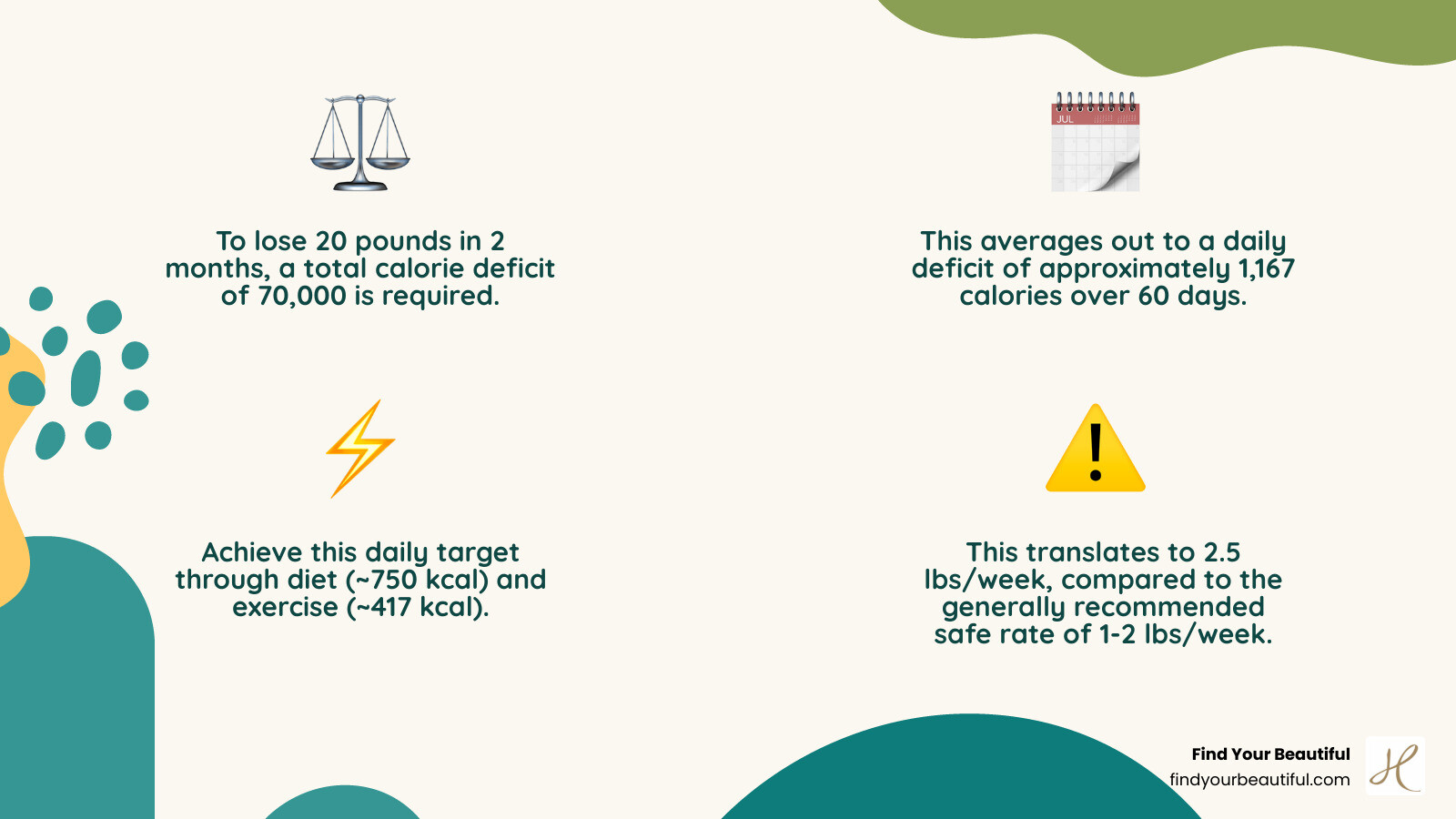
Simple guide to lose 20 pounds in 2 months:
The Foundation: Calorie Deficit and Metabolism
If you’re looking to lose 20 pounds in 2 months, understanding the concept of a calorie deficit is paramount. Simply put, weight loss occurs when you consistently consume fewer calories than your body burns. This isn’t just about eating less; it’s about making smart choices that fuel your body efficiently.
Our bodies burn calories all day, every day, even when we’re just sitting around. This is known as your Basal Metabolic Rate (BMR) – the energy needed for basic bodily functions. Add in all your daily activities, from walking to work to folding laundry, and you get your Total Daily Energy Expenditure (TDEE). To achieve our goal, we need to ensure our calorie intake stays below this TDEE.
While both diet and exercise contribute to a calorie deficit, studies suggest that diet is generally more effective for weight loss. As one scientific research paper highlights, you need to burn about 3,500 more calories than you eat to lose one pound, and this is primarily achieved by eating fewer calories. Scientific research on diet’s effectiveness supports this.
However, we don’t advocate for extreme calorie restriction or crash diets. These can be dangerous, leading to decreased muscle mass, a greater risk of gallstones, and they are often unsustainable, increasing the likelihood of weight regain. Our focus is on creating a moderate, sustainable deficit.
Beyond intentional exercise, another important factor is Non-exercise activity thermogenesis (NEAT). This refers to the calories burned through everyday movements that aren’t structured exercise, like walking, fidgeting, or even standing. Increasing your NEAT can subtly boost your daily calorie burn without feeling like a strenuous workout. For more detailed information on how to effectively manage your weight, check out our guide on more info about how to lose weight.
Calculating Your Calorie Target
To effectively manage your calorie intake, you need to know your starting point. Your Total Daily Energy Expenditure (TDEE) is a crucial number. It estimates how many calories your body burns in a day, taking into account your BMR and activity level. You can use an online calculator to get a personalized estimate. Use this TDEE calculator to find your starting point.
Once you have your TDEE, we aim for a daily calorie deficit of 500 to 1,000 calories. This range typically results in a healthy weight loss of 1-2 pounds per week, which aligns with the recommendations from health professionals like the Mayo Clinic. For our ambitious goal of lose 20 pounds in 2 months, we’re pushing towards the higher end of this deficit, closer to the 1,250 calories per day we mentioned earlier.
However, it’s vital never to drop below a minimum safe calorie intake. For most women, this is around 1,200 calories per day, and for men, it’s typically 1,500 calories per day. Going below these levels can be detrimental to your health and metabolism. This isn’t about starvation; it’s about strategic reduction and smart fueling.
Your activity level will also play a significant role. If you incorporate regular exercise, you can afford to eat slightly more while still maintaining your deficit, as your body will be burning more calories. It’s a delicate balance, and listening to your body while monitoring your intake is key.
Understanding Your Body’s Response
When you first start a new diet and exercise plan, you might notice rapid weight loss, often due to a reduction in water weight. Low-carb diets, for instance, are known to promote rapid initial weight loss because the body sheds water as it burns stored carbohydrates. While this can be motivating, true fat loss is a slower process.
Our goal is to prioritize fat loss while preserving lean muscle mass. Rapid weight loss, especially through crash diets, can lead to muscle loss, which is counterproductive. Muscle burns more calories at rest, so maintaining it is crucial for a healthy metabolism.
You might also encounter weight loss plateaus – periods where your weight seems to stall despite consistent effort. This is a normal part of the journey. Our bodies are incredibly adaptable, and sometimes they adjust to the new routine. Don’t get discouraged! This is when consistency and perhaps a slight adjustment to your diet or exercise routine become even more important.
Hormonal effects also play a role. Hormones can influence appetite, metabolism, and fat storage. Ensuring adequate sleep and managing stress, which we’ll discuss later, can help keep these hormones balanced and support your weight loss efforts. Consistency in your daily habits, both dietary and physical, is the most critical factor for achieving and sustaining your 2-month goal.
Your 8-Week Diet Makeover
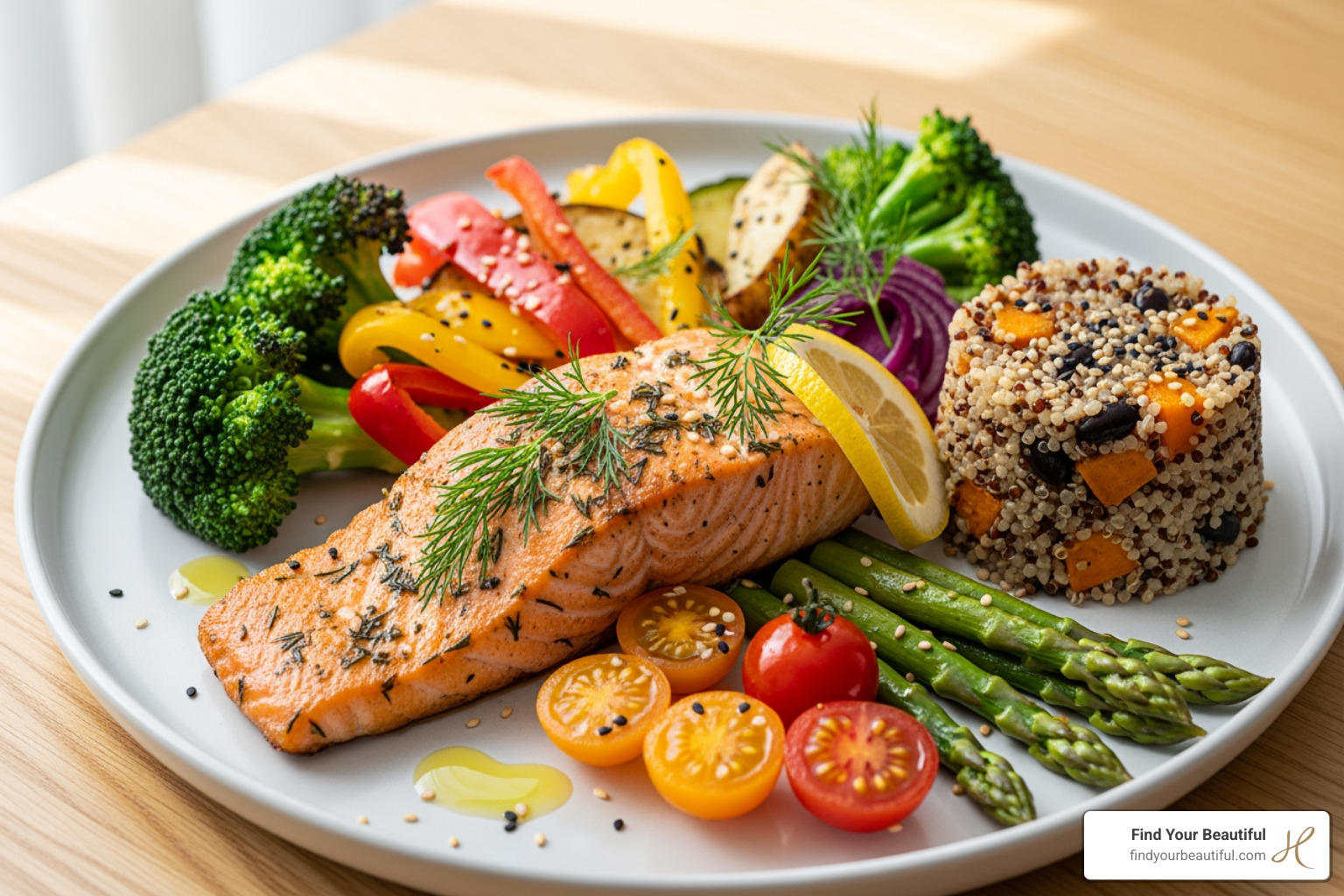
When we talk about an 8-week diet makeover to help you lose 20 pounds in 2 months, we’re not talking about deprivation. Instead, we’re focusing on a vibrant, whole-foods-based approach that nourishes your body while creating that essential calorie deficit. Imagine a plate bursting with color – that’s our goal!
Prioritizing whole foods over highly processed options is a cornerstone of this plan. Whole foods are generally more filling and nutrient-dense, providing the vitamins and minerals your body needs without excess sugars, unhealthy fats, and artificial ingredients.
Portion control is another non-negotiable. Even healthy foods can contribute to weight gain if consumed in excess. Using smaller plates and bowls can automatically help you eat fewer calories without feeling deprived. Studies have shown that people eat less when they use smaller plates, a simple trick that can make a big difference.
Achieving the right macronutrient balance – proteins, carbohydrates, and fats – is also key. We’ll emphasize lean proteins and fiber-rich carbohydrates to keep you feeling full and satisfied, while incorporating healthy fats for essential nutrients and satiety.
Finally, hydration is critical. Often, what feels like hunger is actually thirst. Drinking plenty of water throughout the day can help manage appetite and support your metabolism.
Dietary Strategies to Help You Lose 20 Pounds in 2 Months
To achieve a 1,250-calorie daily deficit and successfully lose 20 pounds in 2 months, we’ll implement several dietary strategies:
- Prioritize Protein: A high-protein diet is your secret weapon. Protein helps you feel fuller for longer, reduces cravings, and supports muscle maintenance during weight loss. A 2020 study found that a high-protein diet can significantly aid weight loss, at least for a period of 6-12 months. Protein also requires more energy to digest, subtly boosting your metabolism. Aim for a good source of protein at every meal and snack.
- Increase Fiber Intake: Fiber is another champion of satiety. Soluble fiber, found in foods like oats and legumes, plays a significant role in metabolism and keeps you feeling full by slowing digestion. Insoluble fiber, found in whole grains and vegetables, adds bulk and aids digestive health. A 2019 study even found that consuming dietary fiber helped people with obesity better adhere to their eating plans, promoting better weight loss.
- Reduce Refined Carbs and Sugar: These are often “empty calories” that provide quick energy spikes followed by crashes, leaving you feeling hungry again soon after. Sugary drinks, in particular, are a major culprit. Cutting back on these will significantly reduce your calorie intake and help stabilize blood sugar levels.
- Healthy Fats: Don’t fear fats entirely! Healthy fats from sources like avocados, nuts, seeds, and olive oil are essential for hormone production, nutrient absorption, and satiety. Just remember to consume them in moderation, as they are calorie-dense.
- Drink More Water: We can’t stress this enough. Replacing high-calorie beverages with water is a simple yet effective way to reduce overall calorie intake. A 2019 meta-analysis suggested this approach was more effective for weight loss than just generally increasing water intake. Keep a water bottle handy and sip throughout the day!
- Mindful Eating Techniques: Slow down and savor your food. Practice mindful eating by sitting down, focusing on each bite, and eliminating distractions like screens. This practice can help you eat less and enjoy your meals more, allowing your body to register fullness signals.
Here’s a list of high-protein, high-fiber foods to incorporate:
- High-Protein Foods: Lean meats (chicken breast, turkey), fish (salmon, tuna), eggs, Greek yogurt, cottage cheese, legumes (lentils, beans, chickpeas), tofu, quinoa, protein powder.
- High-Fiber Foods: Berries (raspberries, blackberries), apples, pears, oats, chia seeds, flaxseeds, leafy greens (spinach, kale), broccoli, carrots, Brussels sprouts, whole grains (brown rice, whole wheat bread), legumes.
Smart Eating Habits for Success
Beyond what you eat, how you eat also matters when you’re aiming to lose 20 pounds in 2 months. Establishing smart eating habits will make your journey smoother and more sustainable.
- Meal Prepping: Dedicate some time each week to prepare healthy meals and snacks in advance. This prevents impulsive, unhealthy choices when you’re busy or hungry. Portioning out your meals beforehand also helps with calorie control.
- Healthy Snacking: If you need snacks between meals, choose wisely. Opt for protein- and fiber-rich options like a handful of almonds, a piece of fruit with peanut butter, or Greek yogurt. These keep hunger at bay without derailing your calorie goals.
- Avoiding Liquid Calories: Sugary sodas, fruit juices (even 100% juice can be high in sugar), and fancy coffee drinks can add hundreds of empty calories to your day without making you feel full. Stick to water, unsweetened tea, or black coffee.
- Reading Nutrition Labels: Become a detective! Understanding nutrition labels empowers you to make informed choices, identifying hidden sugars, unhealthy fats, and excessive sodium in packaged foods.
For a comprehensive guide on making the best food choices, explore our article on more info on the best diet for weight loss 2025.
Your 8-Week Fitness Plan

Diet is often said to be 80% of weight loss, but exercise is the crucial 20% that helps you burn more calories, build muscle, and boost your metabolism. To successfully lose 20 pounds in 2 months, a consistent and effective fitness plan is indispensable. The key here is consistency over intensity, especially when starting out. Find activities you genuinely enjoy – whether it’s dancing, swimming, or brisk walking – because enjoyment leads to adherence.
We’ll also incorporate the principle of progressive overload. This means gradually increasing the demands on your body over time, whether by lifting heavier weights, doing more repetitions, or increasing the duration or intensity of your cardio. This challenges your muscles and cardiovascular system, preventing plateaus and continuing to stimulate calorie burn and muscle growth.
Exercise’s Role in Helping You Lose 20 Pounds in 2 Months
To meet our aggressive 2-month goal, we need a multifaceted approach to exercise:
- Cardiovascular Exercise: Also known as cardio, this is excellent for burning calories and improving heart health. Activities like brisk walking, jogging, cycling, swimming, or elliptical training will be your allies. The CDC recommends people get at least 150 minutes of moderate exercise each week or at least 75 minutes of high intensity workouts. For our goal, we’ll aim for more than that, gradually increasing duration and intensity.
- Strength Training: Don’t skip the weights! Resistance training is crucial for preserving and building lean muscle mass during weight loss. Muscle burns more calories at rest than fat, so building it helps boost your metabolism. A 2021 study noted that resistance training helps preserve muscle mass as you lose weight. Aim for full-body workouts that target major muscle groups.
- High-Intensity Interval Training (HIIT): HIIT involves short bursts of intense exercise followed by brief recovery periods. This method is incredibly efficient for burning calories in a short amount of time and can boost your metabolic rate even after your workout is finished. Incorporate HIIT once or twice a week to maximize your calorie burn.
Sample Weekly Workout Split
Here’s a sample 8-week workout plan to help you on your journey to lose 20 pounds in 2 months. Remember to warm up for 5-10 minutes before each workout with dynamic stretches (arm circles, leg swings) and cool down for 5-10 minutes with static stretches (holding stretches). Listen to your body and adjust as needed.
| Day | Activity F